Home / Weather / Winter's Fury: Snow, Sleet, Ice, and Extreme Cold Explained
Winter's Fury: Snow, Sleet, Ice, and Extreme Cold Explained
24 Jan
Summary
- Snow needs consistent cold from clouds to ground to form.
- Sleet and freezing rain occur when warm air layers melt then refreeze precipitation.
- Freezing rain is most devastating, turning roads to ice and downing power lines.
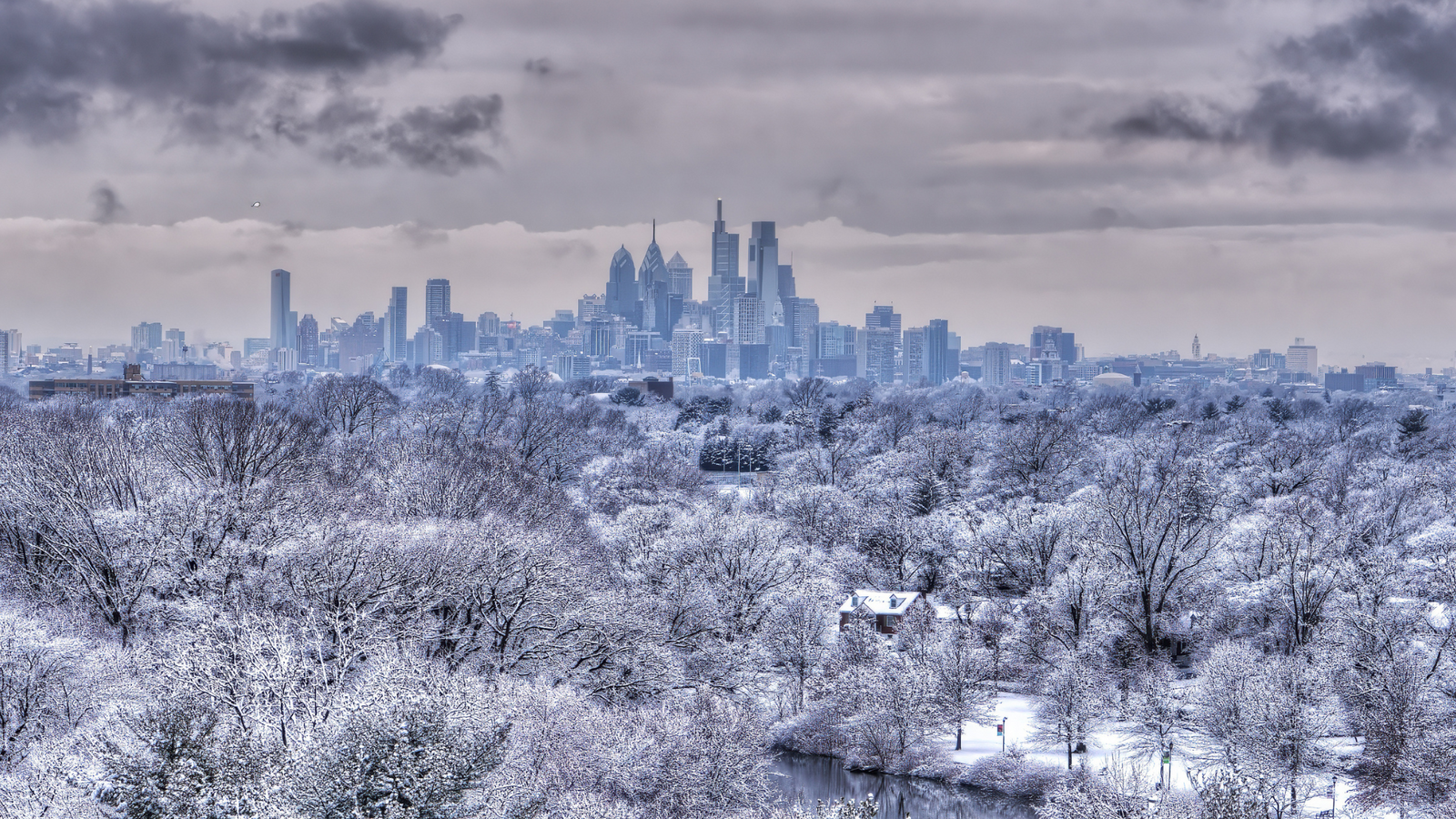
Winter storms can unleash a complex mix of hazardous weather, including snow, sleet, freezing rain, and extreme cold. The formation of snow depends on sustained cold air from the clouds to the ground.
In contrast, warmer air layers aloft can cause snowflakes to melt and then refreeze. This process leads to sleet, characterized by bouncy ice pellets, or freezing rain, which forms when rain freezes upon impact.
Graupel, a less common mix, occurs when snow partially melts. Hail, often mistaken for sleet, typically forms in warmer months due to strong updrafts.