Home / Weather / July's Fury: US Faces Record Flash Flood Emergencies
July's Fury: US Faces Record Flash Flood Emergencies
23 Jul
Summary
- Over a dozen flash flood emergencies issued across the US this month.
- Texas Hill Country experienced a second consecutive 1,000-year flood event.
- Climate change is increasing rainfall intensity in US cities.
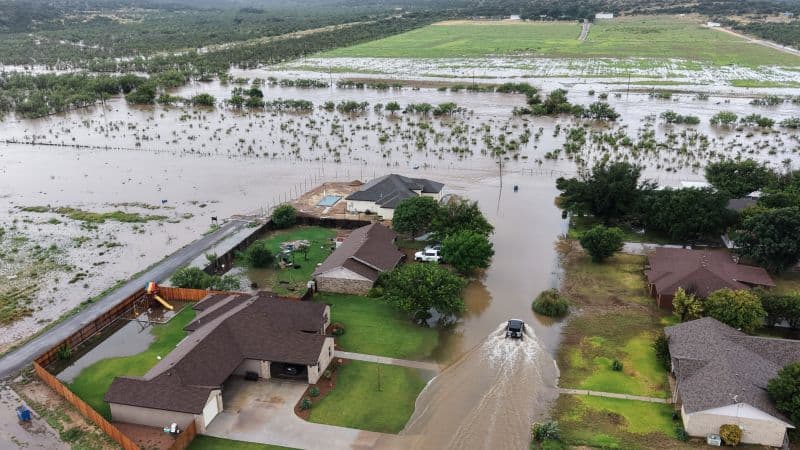
July 2026 has been marked by a severe spate of flash flood emergencies across the United States, with more than a dozen issued nationwide in the past two weeks alone. This high level of warning, signifying a significant threat to life and property, places the current month on track to challenge monthly records. A notable event occurred in Texas Hill Country from July 15-17, experiencing its second consecutive 1,000-year flood, where some areas received nearly a year's worth of rain. This event underscores a broader trend of extreme rainfall impacting various regions, including West Virginia and Missouri, which have also recently faced catastrophic flooding.
The escalating frequency and intensity of these events are directly linked to human-caused climate change. For every degree Fahrenheit of warming, the atmosphere can hold 4% more water vapor, leading to heavier downpours. An analysis revealed that 90% of 144 examined US cities have seen an increase in hourly rainfall intensity since 1970, with rates now averaging 15% higher. This phenomenon, predicted by climate assessments, is manifesting as devastating flooding nationwide.
As of July 21, the US has recorded 32 flash flood emergencies in 2026, with nearly half occurring in July. While the year's total is currently behind previous years, the concentration of events this month is alarming. The existing stormwater infrastructure in many urban areas, including New York City, was designed for a past climate and struggles to cope with current rainfall rates, leading to severe consequences like those seen during the remnants of Hurricane Ida in 2021. Experts suggest that the intense flooding observed in July, and in preceding years, may represent a new summer norm.


