Home / Weather / Storm Names Explained: Why Austen & Boelo?
Storm Names Explained: Why Austen & Boelo?
24 Oct
Summary
- Storms are named to raise awareness and prompt safety actions.
- Naming occurs when amber or red weather warnings are issued.
- Public suggestions form annual storm name lists, avoiding sensitive terms.
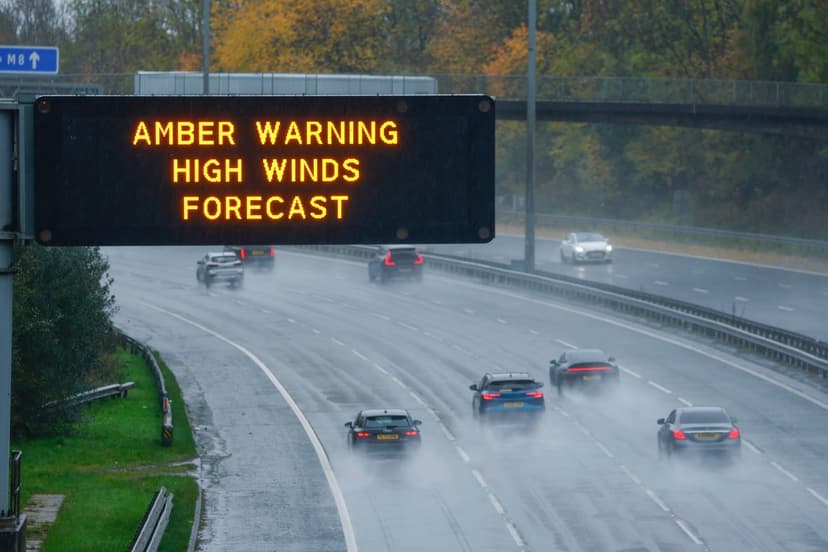
The Met Office initiated a storm naming scheme in 2015, inviting public input to increase awareness of severe weather risks. Using a distinct storm name helps the public understand potential dangers and take necessary safety precautions. A storm receives a name when its disruptive potential warrants an amber or red weather warning, typically signaling expectations of strong winds, flooding from heavy rain, or considerable snowfall.
This naming process involves collaboration with forecasters from Ireland and the Netherlands for western Europe. Annual storm name lists are generated from public suggestions, with specific criteria for exclusion, such as names that are hard to pronounce, have multiple meanings, or are associated with private entities or past storms causing fatalities. For consistency within the North Atlantic region, names starting with Q, U, X, Y, or Z are avoided, mirroring the US National Hurricane Centre's practice. The alphabetical list alternates between male and female names, running from early September to late August.


