Home / Weather / Reno's Warming Winters: Climate Change Delays First Freeze by 6 Weeks
Reno's Warming Winters: Climate Change Delays First Freeze by 6 Weeks
29 Oct
Summary
- Reno's first freeze now arrives 41 days later than in 1970
- Urban heat island effect is the biggest driver of the temperature shift
- Warmer falls mean longer wildfire seasons and increased mosquito populations
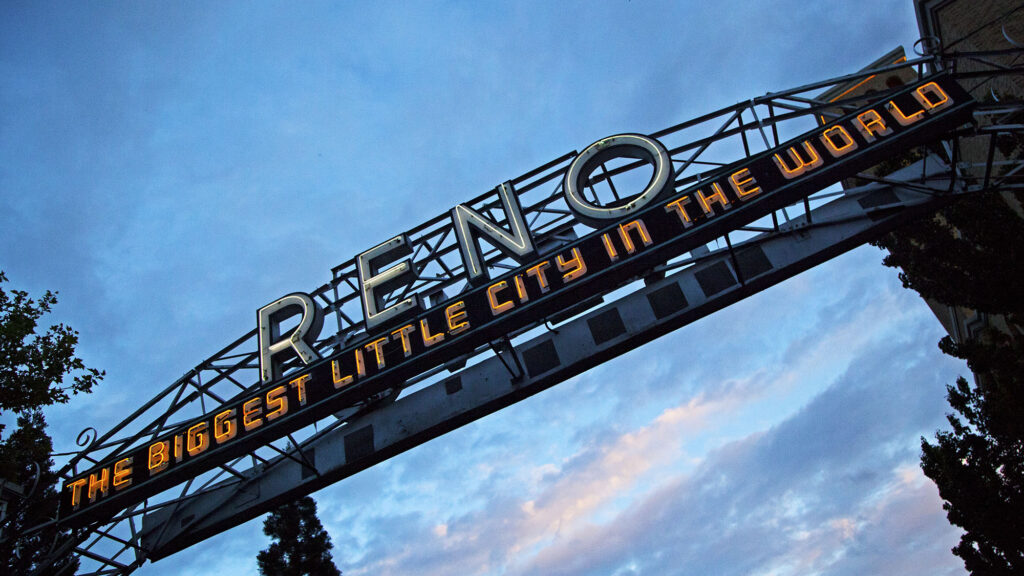
As of October 29th, 2025, Reno, Nevada has not yet experienced its first freeze of the fall season, a stark contrast to the city's historical weather patterns. According to a recent analysis by Climate Central, Reno's first freeze now arrives an average of 41 days later than it did in 1970, the biggest delay of any city in the United States.
This significant shift in Reno's fall temperatures is largely attributed to the urban heat island effect. As the city's population has grown five-fold since 1970, reaching around 575,000 residents, the abundance of heat-absorbing man-made surfaces like roads and buildings has created a warming microclimate. In contrast, neighboring rural areas in northern Nevada have seen a much less pronounced delay in their first freeze, around 12 days on average.