Home / Weather / Gulf Coast Storms Threaten Far Inland
Gulf Coast Storms Threaten Far Inland
28 May
Summary
- Hurricane Agnes in 1972 remains a costly benchmark storm.
- Gulf storms rapidly intensify, often becoming major threats quickly.
- Storms can cause deadly flooding hundreds of miles inland.
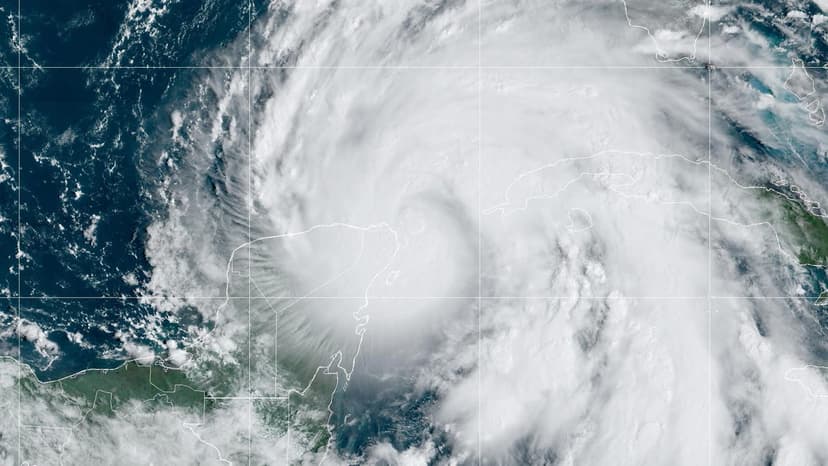
NOAA is emphasizing the critical need for coastal residents to understand their hurricane risk as the 2026 hurricane season begins. Historical storms like Hurricane Agnes in 1972 and Hurricane Allison in 2001 serve as stark reminders of the devastating potential of early-season tropical systems, even during an El Niño.
While El Niño often pacifies Atlantic storm formation, the Gulf of Mexico remains a significant concern due to warm sea surface temperatures. These conditions create a favorable environment for storms to develop and rapidly intensify, often becoming major threats much faster than anticipated. This rapid intensification means that storms can transition from tropical storms to Category 5 hurricanes in just three days.
The danger extends far beyond the coastline. Storms moving inland absorb significant moisture from the warm Gulf waters, leading to extreme rainfall and flash flooding. Historical examples like Hurricane Camille and Hurricane Helene demonstrate that storms making landfall on the Gulf Coast can cause fatalities and widespread damage hundreds of miles inland, impacting states far from the initial point of impact.


