Home / Weather / Jacksonville Braces for Historic Freeze: Records May Fall
Jacksonville Braces for Historic Freeze: Records May Fall
29 Jan
Summary
- Intense cold expected Saturday through Monday with a rare multi-day hard freeze.
- Temperatures could break daily records, plunging over 20 degrees below average.
- Historic freezes in the 1890s devastated Florida's citrus industry.
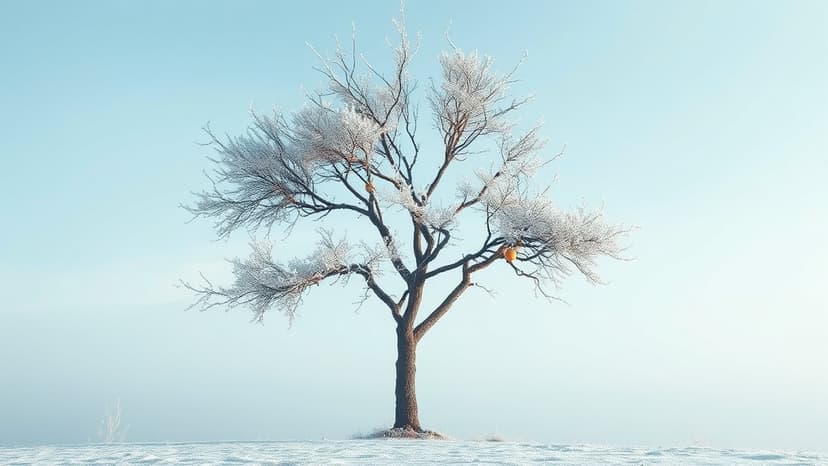
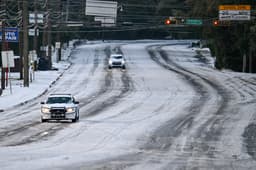
Northeast Florida and Southeast Georgia will experience a severe cold period culminating in a rare few days of intense cold from Saturday, January 31, through Monday, February 2. The coldest air is predicted to arrive Saturday afternoon and persist through early Tuesday, bringing widespread hard freezes for three consecutive nights. This cumulative effect will strain exposed pipes and threaten outdoor plants and pets, necessitating warm attire for residents. Early morning temperatures on Sunday, February 1, are forecast to reach 21 degrees Fahrenheit in Jacksonville, potentially breaking the daily record of 24 degrees set in 1977 and falling over 20 degrees below the average low.
The extensive snowpack from the Southern Plains to New England will contribute to the plunging temperatures, acting as a large refrigerator that limits warming of north winds before they reach the local area. JEA advises residents to conserve energy by setting thermostats to 68°F or lower, sealing drafts, using space heaters safely, and monitoring daily usage online.
This freeze is expected to extend southward across the Florida peninsula, posing a significant threat to citrus crops. Historically, intense freezes in the late 1800s, specifically in 1894 and 1895, nearly annihilated orange orchards in Northeast Florida. Farmers were unprepared, relying on rudimentary warnings like train whistles to insulate their trees.
Despite the cold, pollen counts remain a concern. Jacksonville has experienced warm spells with three days above 80°F in January, leading to early cedar and pine pollen peaks. While the current cold may temporarily reduce pollen, pine pollen is too advanced to significantly decrease. Oak pollen will likely wait for sustained warming. Additionally, Jacksonville sunsets will now remain after 6:00 PM until early November, with daylight saving time changes occurring on Sunday, March 8.