
Home / Weather / Scorching Summer Heat Fuels India's Vital Monsoon
Scorching Summer Heat Fuels India's Vital Monsoon
25 May
Summary
- Intense summer heat creates a low-pressure zone crucial for monsoon winds.
- Summer heat aids soil health and ripens essential fruits for wildlife.
- Extreme temperatures naturally suppress pests and diseases before farming.
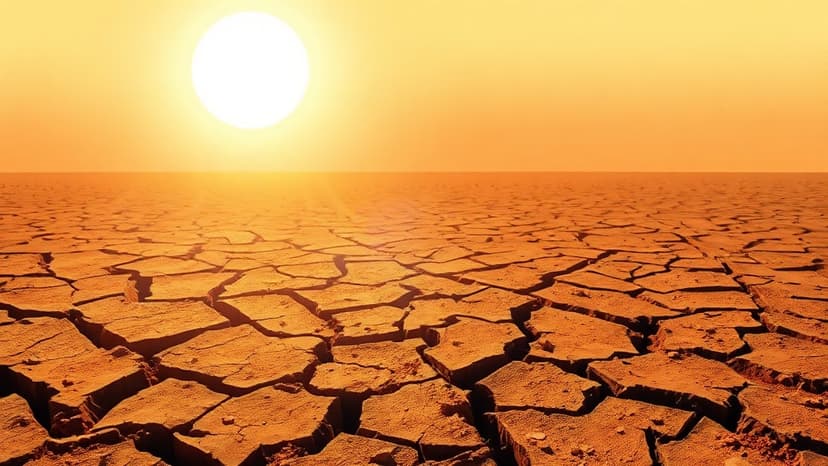
New Delhi is currently experiencing extreme summer heat, with temperatures pushing past 45°C across northwest India. While dangerous, this intense heat is scientifically crucial for driving the Indian monsoon. The landmass heats rapidly, creating a significant low-pressure zone that draws moisture from the Arabian Sea and Bay of Bengal.
This atmospheric vacuum, known as a 'heat low,' strengthens convection currents, facilitating monsoon rainfall. Meteorologists explain that the land must heat intensely before ocean winds can surge inland with rain. This process is particularly harsh in landlocked, dry regions like Delhi.
Beyond meteorology, the summer heat significantly impacts ecosystems. Wildlife species engage in seasonal movements towards available water sources. Summer-fruiting trees like mahua and jamun provide vital nutrition for herbivores, preparing them for the monsoon's bounty.
Agricultural scientists note that this period naturally suppresses pests, diseases, and weed seeds, benefiting upcoming farming seasons. Crops like moong pulses thrive, and certain mango varieties require sustained heat for ripening, highlighting the season's agricultural functionality.
