Home / Weather / Agra Swelters: Earthen Pots Make a Comeback Amidst Heatwave
Agra Swelters: Earthen Pots Make a Comeback Amidst Heatwave
23 Jan
Summary
- Agra residents are increasingly buying earthen pots for cold water during the heatwave.
- Traditional matka water is preferred over refrigerator water for health reasons.
- Multiple Indian states are experiencing severe heatwave conditions with orange alerts issued.
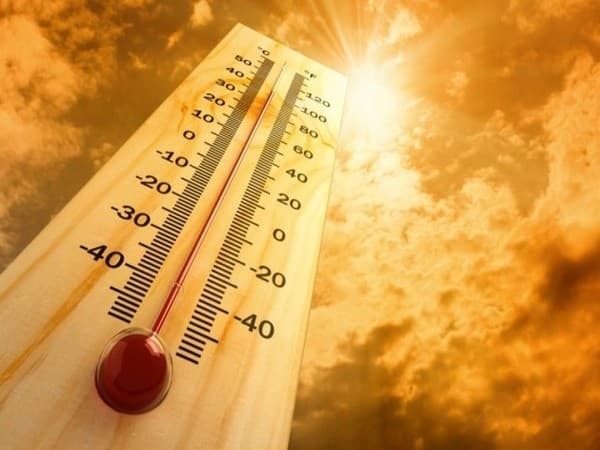
The city of Agra in Uttar Pradesh is experiencing a surge in temperatures, leading residents to increasingly rely on traditional earthen pots, known as 'Matkas', for cold drinking water. Sellers are observing a rise in demand for various types of 'Matkas', catering to local preferences and styles.
Customers are opting for 'Matka' water, citing its health benefits and suitability for the summer heat, contrasting it with refrigerated water which they believe can be harmful. This resurgence in traditional cooling methods comes as several parts of India grapple with intense heatwave conditions.
The India Meteorological Department (IMD) has issued advisories, highlighting that East India, including Bihar, Jharkhand, Odisha, and West Bengal, is currently the main heatwave zone. Orange alerts have been placed in these regions, alongside coastal Andhra Pradesh and Telangana, which are expected to experience heatwaves for the next five days.
Further advisories indicate potential heatwaves in Vidarbha within the next two to three days. While Rajasthan is not expected to face intense heatwaves, southern Uttar Pradesh, NCR Delhi, and South Haryana may see isolated heatwave conditions with a slight temperature rise. Heatwave warnings are in effect for Uttar Pradesh, Delhi NCR, and Haryana for the next three days, with temperatures anticipated to remain above 40 degrees Celsius before a potential fall.
Looking ahead, monsoon clouds are developing over Karnataka, Tamil Nadu, and the Bay of Bengal. The monsoon is active in the Northeast, with expectations of heavy to very heavy rainfall in the coming days. The sub-Himalayan region, West Bengal, Sikkim, and parts of East Bihar may also experience monsoon influence within 48 hours.