Home / Weather / Hurricane Scale Explained: 5 Categories of Fury
Hurricane Scale Explained: 5 Categories of Fury
23 Sep
Summary
- Hurricanes are categorized 1-5 by wind speed and potential damage.
- Major hurricanes are Category 3, 4, or 5, posing significant risks.
- Extreme storms raise questions about the adequacy of current categories.
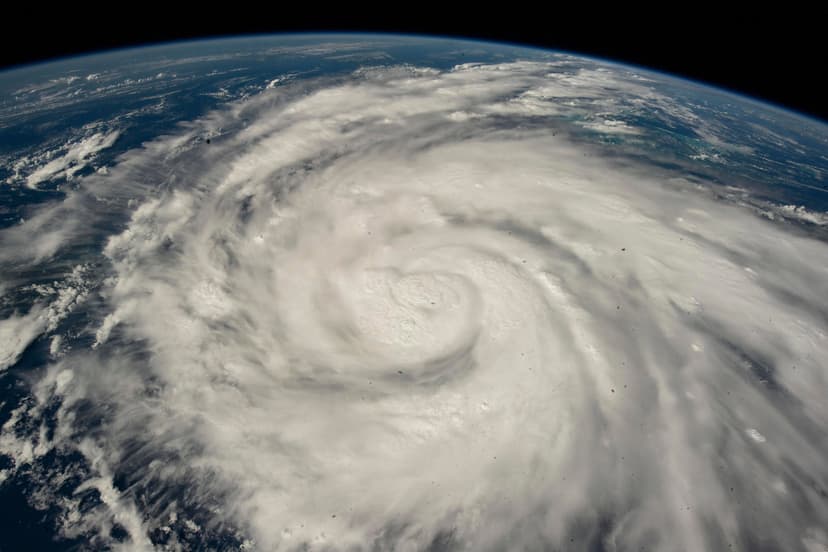
The Atlantic hurricane season, spanning from June 1 to November 30, features storms rated on the Saffir-Simpson Hurricane Wind Scale. This scale categorizes hurricanes from 1 to 5 based on sustained wind speeds and estimates potential property damage, ranging from minor to catastrophic.
A hurricane is classified as 'major' if it reaches Category 3, 4, or 5. These storms are considered a severe threat, capable of causing significant loss of life and extensive damage. The National Hurricane Center emphasizes that even Category 1 and 2 storms remain dangerous.
Category 5 storms, with winds of 157 mph or higher, can cause catastrophic destruction, potentially rendering areas uninhabitable for weeks or months. Notable examples include Hurricane Andrew in 1992 and Hurricane Irma in 2017.
Category 4 storms (130-156 mph winds) also bring catastrophic damage, destroying well-built homes and causing prolonged power outages. Hurricanes Harvey and Ian were notable Category 4 storms.
Category 3 storms (111-129 mph winds) cause devastating damage, with potential for major structural harm to homes and widespread treefall blocking roads. Electricity and water services may be interrupted for extended periods.
Category 2 storms (96-110 mph winds) feature extremely dangerous winds causing extensive damage, including roof and siding issues, and widespread power loss lasting days to weeks. Hurricane Floyd is a Category 2 example.
Category 1 storms (74-95 mph winds) bring very dangerous winds causing some damage, affecting roofs, siding, and trees, with power outages lasting several days. Hurricane Sandy made landfall as a Category 1 storm.
Despite the established scale, intense storms have led to discussions about a potential 'Category 6.' While officially nonexistent, some climate scientists suggest the scale may need revision to account for increasingly extreme weather patterns linked to climate change.
Historical storms like Hurricane Katrina, which made landfall as a Category 3 after reaching Category 5 strength, underscore the devastating impact hurricanes can have, causing widespread flooding and significant loss of life and property damage, particularly in the Gulf Coast states.


