Home / Weather / Europe's Summer Heat Gives Way to Flash Flood Fury
Europe's Summer Heat Gives Way to Flash Flood Fury
30 Aug
Summary
- Europe faces flash-flood season after a scorching summer.
- Extreme heat intensified by fossil fuels caused widespread drought and wildfires.
- El Niño's effects on Europe are indirect, potentially bringing stormier autumn weather.
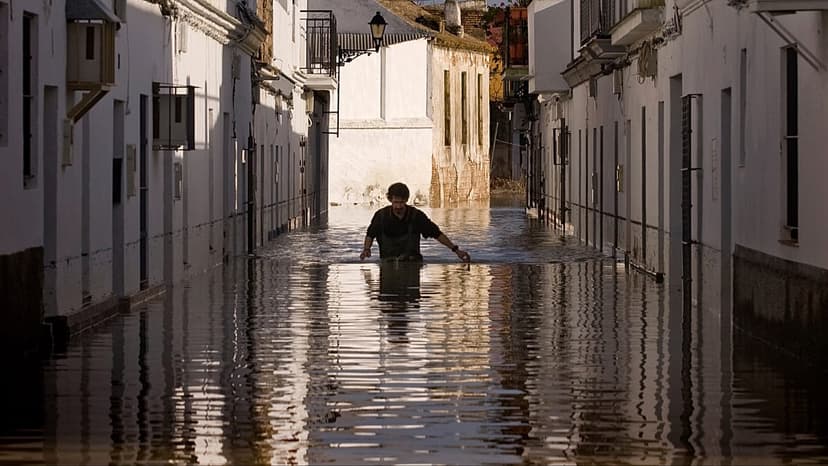
Following a blistering summer marked by extreme heat and drought, parts of Europe are now facing the onset of "flash-flood season." The intense heat, largely attributed to human-caused climate change and exacerbated by the burning of fossil fuels, led to severe droughts and widespread wildfires across countries like Spain, Portugal, France, Greece, and Türkiye. These fires resulted in thousands of hectares burned and a significant evacuation effort.
As September arrives, the weather outlook shows a stark contrast between regions. While northern Europe is experiencing cooler temperatures and rainfall, southern areas like Rome, Athens, and Madrid will see highs around 35°C, significantly above seasonal averages. The Mediterranean is particularly vulnerable to flash floods due to warming sea temperatures and the arrival of cold troughs, a phenomenon known as DANA in Spain, which has caused deadly floods in the past.
Meanwhile, the ongoing El Niño event, predicted to be one of the strongest on record, is expected to influence global climate patterns. While its direct impacts are primarily felt in the tropics, El Niño could indirectly contribute to wetter and stormier conditions in northwest Europe this autumn and potentially warmer temperatures across the continent, increasing concerns for 2027 being a record-hot year globally.


