Home / Weather / Saharan Dust Chokes Canary Islands: 5 Months of Danger
Saharan Dust Chokes Canary Islands: 5 Months of Danger
20 Jul
Summary
- Saharan dust now plagues Canary Islands for 146 days annually.
- Climate change is blamed for a 10% to 25% surge in desert dust.
- Extreme calima events show severe health risks for vulnerable groups.
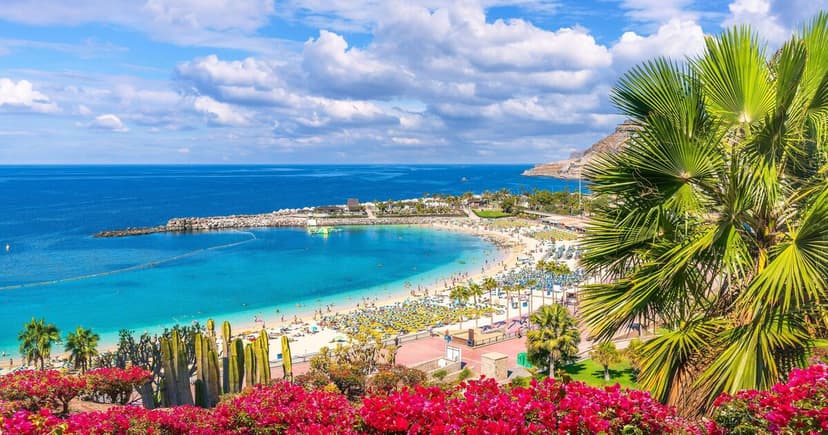
Holiday destinations in southern Europe, particularly the Canary Islands, are now experiencing a dangerous weather phenomenon known as calima for almost five months annually. This dense Saharan dust clouds the popular Spanish archipelago for at least 146 days each year. The alarming increase in hazardous African dust storms across southern Europe has been highlighted in a recent study.
Researchers attribute this dramatic shift to climate change, which is expanding African desert regions and altering atmospheric circulation. Between 2020 and 2022, the region endured unprecedented 'super calima' events. Traditional dust storms typically have PM10 particle concentrations of 200 to 400 micrograms per cubic metre, but recent extreme episodes saw concentrations soar to between 600 and 1,840 micrograms per cubic metre.
Health experts are raising serious concerns about the health risks to both locals and tourists. High concentrations of Saharan dust have been linked to increased hospital admissions and a rise in deaths from heart attacks and respiratory illnesses. Patients with heart failure exposed to the dust prior to admission showed significantly worse medical outcomes. Health authorities strongly advise individuals with asthma, COPD, or heart conditions to monitor weather forecasts closely before going outdoors.


