Home / Weather / El Niño Fuels Unprecedented Coastal Flooding
El Niño Fuels Unprecedented Coastal Flooding
11 Oct
Summary
- Unusual combination of events caused severe coastal flooding.
- El Niño winter is predicted to bring more storms and high tides.
- Kelvin wave elevated sea levels and water temperatures.
- Historical storms in 1939 and 1997 also caused significant damage.
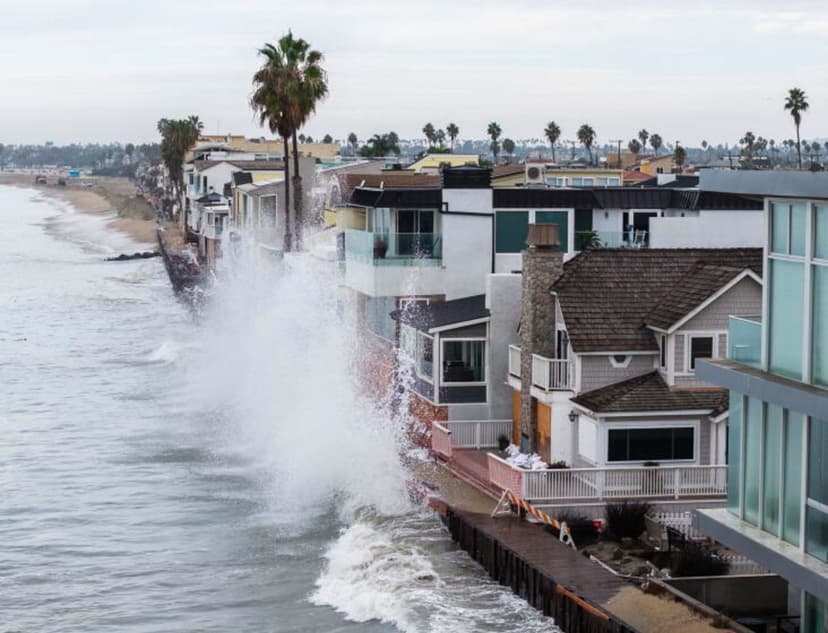
Coastal flooding along California's shores, from Newport Beach to Long Beach, was caused by an extraordinary alignment of meteorological and oceanic conditions. These included swells from Tropical Storm Rachel, exceptionally high tides, a record-warm ocean, and a slowly moving Kelvin wave originating from Peru. This Kelvin wave, a phenomenon not easily visible at the surface, raised background sea levels by 6 to 12 inches and contributed to warmer waters, which further expand sea levels.
Scientists attribute this severe flooding to a "highly unusual combination of events" that could become more frequent. The approaching "super" El Niño winter is expected to bring a relentless parade of storms and king tides, particularly around the holiday season and into the new year. These king tides, which occur roughly every 18.6 and 4.4 years, are near their peaks, amplifying the El Niño's impact and increasing the risk of coastal erosion and significant damage.
Historically, strong El Niño events have caused substantial damage to the Southern California coast. For instance, a powerful El Niño in 1997 was associated with significant coastal erosion and damage to beachfront properties. The "El Cordonazo" storm in 1939 resulted in widespread flooding and numerous fatalities. Current predictions indicate a virtually 100% chance that the ongoing El Niño will be "very strong," with an 83% probability of being the strongest on record since 1950.
Local officials have been actively preparing for potential impacts by constructing sand berms and fortifying vulnerable areas with sandbags. Water levels at the Los Angeles Harbor tide gauge have already surpassed predicted levels, approaching record highs. The Kelvin wave's influence on sea levels is expected to persist for months, with monitoring underway for another potential Kelvin wave approaching from Mexico.


