Home / Weather / Pacific Northwest Drenched by Back-to-Back Atmospheric Rivers
Pacific Northwest Drenched by Back-to-Back Atmospheric Rivers
13 Nov
Summary
- Two atmospheric rivers are expected to hit Oregon and Washington on Friday and Saturday.
- Atmospheric rivers are narrow bands of water vapor that dump rain or snow.
- 90% of Western U.S. flood damage stems from atmospheric rivers, according to FEMA.
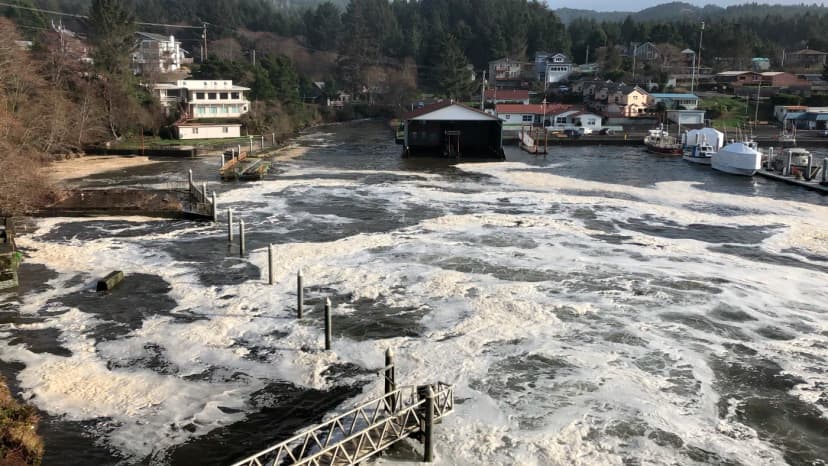
The Pacific Northwest is experiencing its wettest period, amplified by the arrival of multiple atmospheric rivers. This week, two powerful atmospheric rivers are projected to strike Oregon and Washington sequentially on Friday and Saturday, bringing heavy rainfall. These events follow an already wet start to the season, with two previous atmospheric rivers having already delivered substantial precipitation.
Atmospheric rivers are defined as extensive, narrow bands of water vapor transported by wind, capable of releasing significant rain or snow. These phenomena are a natural climate pattern, contributing substantially to annual rainfall in regions like California. The current season, running from October to March, has begun with notable intensity.
The compounding impacts of these atmospheric rivers are a significant concern, leading to risks of flash flooding, urban inundation, and landslides. Furthermore, the current atmospheric river activity coincides with El Niño-influenced warmer ocean waters, which contribute to rising sea levels and fuel storm systems. This confluence with annual high tides, known as King tides, increases the vulnerability of coastal and inland waterways along the West Coast to flooding.
According to data from the Federal Emergency Management Agency spanning 40 years, over 90% of all flood damage in the Western United States is attributed to atmospheric rivers. Washington's coast, in particular, could experience substantial 20-foot swells this weekend. While atmospheric rivers have common nicknames like the Pineapple Express, originating from warmer regions, they are not exclusive to the West Coast and can impact the East Coast as well.


