
Home / Weather / El Nino Quiets Atlantic Hurricane Season
El Nino Quiets Atlantic Hurricane Season
1 Jun
Summary
- Atlantic hurricane season runs from June to November 30.
- El Nino typically suppresses Atlantic hurricane activity.
- Hurricanes, cyclones, and typhoons are the same storm type.
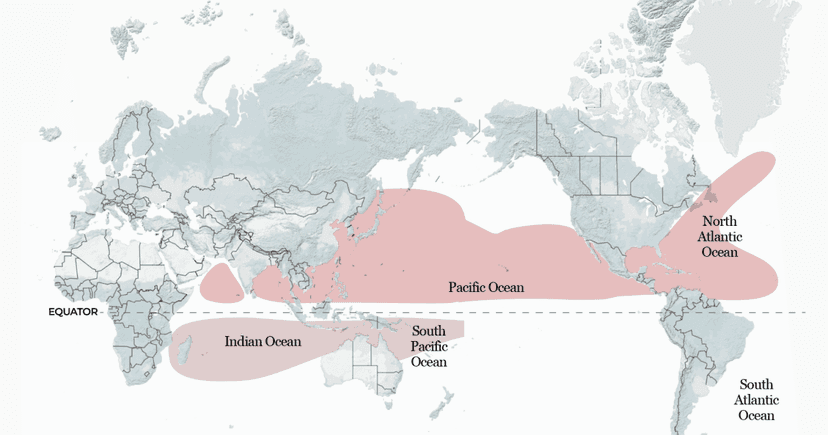
The Atlantic hurricane season, active from June 1 until November 30, is anticipated to be less active than average this year, largely due to the presence of El Nino. This climate pattern involves warming surface sea temperatures in the Pacific Ocean, which typically weakens Atlantic hurricane development while increasing storm activity in the Pacific.
El Nino events, occurring every two to seven years, disrupt global wind and rainfall patterns. While suppressing Atlantic hurricanes, El Nino can intensify floods, droughts, and heatwaves elsewhere and slightly raise global average temperatures. The phenomenon's counterpart, La Nina, has the opposite effect, often leading to more active Atlantic hurricane seasons.
Globally, storm names vary by region: hurricanes in the North Atlantic and Northeast Pacific, cyclones in the South Pacific and Indian Oceans, and typhoons in the Northwest Pacific. Despite these regional names, all are storm systems with winds exceeding 119 km/h (74 mph).
Forecasters from the US National Oceanic and Atmospheric Administration (NOAA) predict a 55 percent chance of below-normal activity for the current season. However, they caution that it only takes one significant storm to create a severe season, advising those in hurricane-prone areas to remain prepared. Historically, tropical storms have caused substantial loss of life and economic damage in the US.
