Home / War and Conflict / Cockleshell Heroes: Daring WWII Canoe Raid
Cockleshell Heroes: Daring WWII Canoe Raid
16 Aug
Summary
- Brave milkman James Conway joined Royal Marines for a secret mission.
- Operation Frankton involved 12 Marines in canoes attacking enemy ships.
- Conway and partner executed after betraying Gestapo in occupied France.
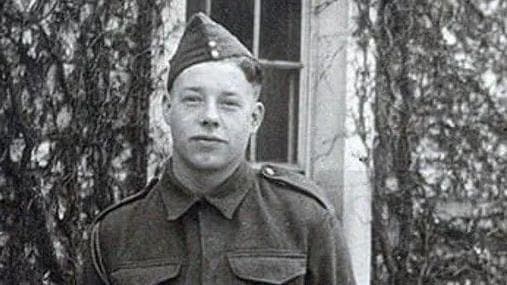
James Conway, a sixteen-year-old milkman from Stockport, joined the Royal Marines at the outbreak of World War Two in September 1939. He was selected for a clandestine operation, Operation Frankton, a highly audacious raid considered one of the war's most daring missions.
In March 1942, Britain sought innovative ways to counter Nazi Germany's war effort. Facing challenges with aerial bombing, Royal Marine Maj Herbert Hasler devised a plan using canoes for a water-based attack on enemy ships in Bordeaux. Twelve elite Marines, including Conway, were chosen for this mission, trained in kayaking and equipped with limpet mines.
The mission involved paddling over 80 miles in Cockle Mark II canoes, later known as 'Cockleshell Heroes'. Launched near the Gironde River estuary, the team faced treacherous conditions. Conway and his partner John McKinnon were separated after their canoe was damaged, later captured by the Gestapo after fleeing occupied France.
Conway and McKinnon endured three months of captivity, refusing to divulge crucial information before their execution in 1943, as per Hitler's 'Commando Order'. The remaining four men successfully completed the mission, a feat Winston Churchill believed could have shortened the war by six months and significantly shocked Axis forces.
In honour of his bravery, James Conway was immortalised in a bronze statue in Stockport in 2017. The story of the Cockleshell Heroes was also depicted in the 1955 film of the same name.


