Home / War and Conflict / Turkey Traditions: A Wartime Feast
Turkey Traditions: A Wartime Feast
28 Nov
Summary
- US military historically ensures troops receive Thanksgiving meals.
- Turkey deliveries faced risks during intense combat operations.
- From Civil War to Iraq, soldiers observe Thanksgiving abroad.
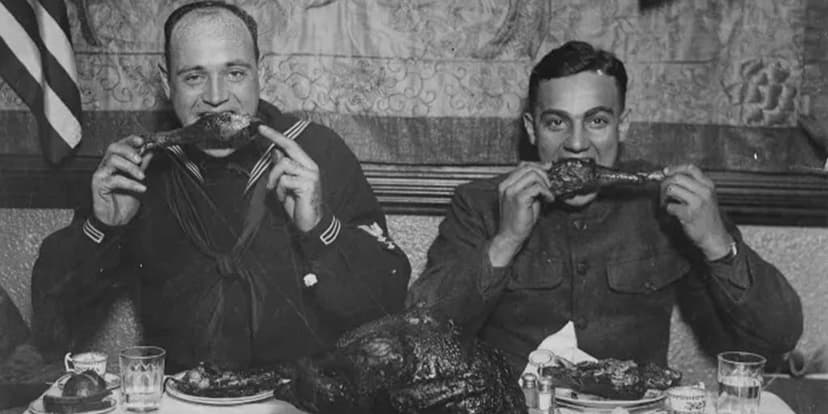
The tradition of American troops receiving Thanksgiving meals in war zones stretches back to the Civil War. In 1864, a significant effort was made to send tens of thousands of turkeys to Union soldiers. This logistical undertaking has continued through various conflicts, adapting to the challenges of each era.
During the Vietnam War, in November 1966, a Thanksgiving dinner was airlifted to a remote Special Forces detachment in War Zone D. The U.S. military has consistently prioritized these deliveries, even when facing significant wartime disruptions. By World War II, the demand for troops' meals impacted civilian availability, with millions of pounds of turkey procured for the armed forces.
Delivering Thanksgiving dinners near the front lines sometimes carried grave risks. In Germany's Hürtgen Forest during World War II, an artillery strike hit troops gathering their meals, resulting in casualties. Later, in Korea, Marines at the Chosin Reservoir received holiday meals in subzero temperatures during intense fighting.
More recently, in 2003, President George W. Bush made a surprise Thanksgiving visit to troops in Baghdad. In Afghanistan, as late as 2007, helicopters delivered hot meals to soldiers at remote bases, providing the first hot meal in months for some. Even at high-altitude outposts, dinner has been flown in, highlighting the enduring commitment to this tradition.


