Home / War and Conflict / War's Toxic Fallout: Decades of Health Risks
War's Toxic Fallout: Decades of Health Risks
26 Mar
Summary
- Toxic pollutants from war create long-term health and environmental risks.
- Pollution includes heavy metals, chemicals, and soot affecting air, soil, water.
- Damage to infrastructure threatens agriculture, drinking water, and health.
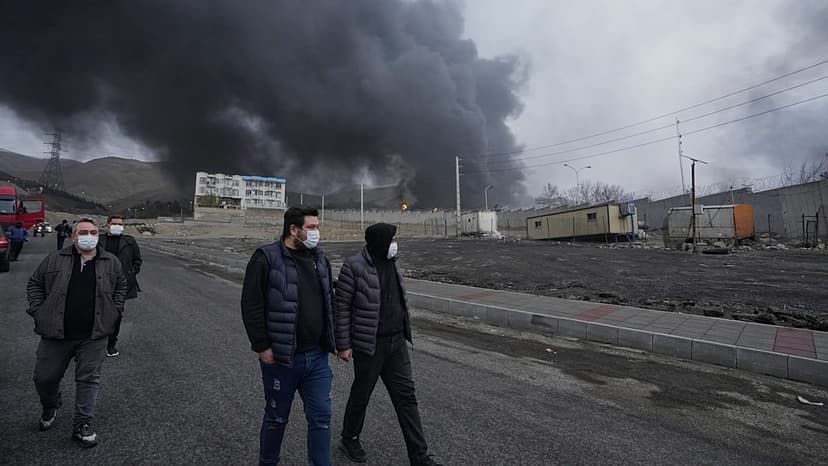
The current conflict has triggered a significant environmental crisis, releasing toxic pollutants with potentially decades-long health and environmental repercussions. Experts highlight that strikes on oil facilities, nuclear sites, and industrial plants are contaminating air, soil, and water with dangerous chemicals and heavy metals.
The war's impact includes widespread pollution from burning oil fields and damaged infrastructure. This fallout, including microscopic soot and toxic chemicals, can lead to severe respiratory and cardiovascular problems, as well as long-term cancer risks. Furthermore, contamination of water sources and agricultural land raises serious concerns for food security and access to clean drinking water in the region.
Damage to desalination plants is a major concern for countries reliant on them for drinking water. Experts also warn that environmental recovery efforts could be a low priority post-conflict, with some forms of pollution potentially never being fully addressed. The long-term health effects of exposure to dust and chemicals from pulverized materials also pose an ongoing risk.