Home / War and Conflict / Persian Gulf Marine Life: War's Silent Victims
Persian Gulf Marine Life: War's Silent Victims
17 Mar
Summary
- Warfare in the Middle East threatens the Persian Gulf's fragile marine life.
- Over 300 environmental risk incidents, including oil tanker attacks, recorded.
- The Gulf's shallow, semi-enclosed nature exacerbates pollution risks.
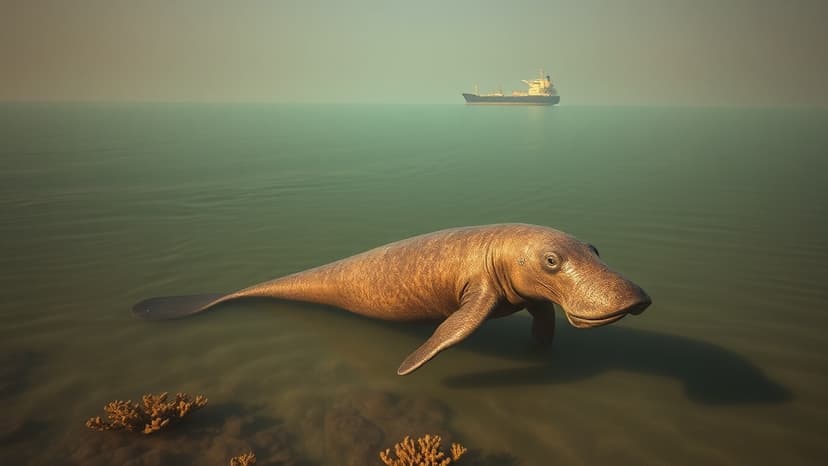
The Persian Gulf's rich marine ecosystem, home to dugongs, whales, whale sharks, and critically endangered hawksbill sea turtles, is under severe threat due to the ongoing war in the Middle East. This fragile environment, already strained by climate change and maritime traffic, is now exposed to the dangers of bombs and oil spills.
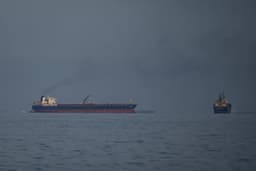
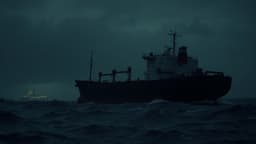
Since the conflict's outbreak at the end of February, a UK non-governmental organization reported over 300 incidents with environmental risks, including attacks on oil tankers. The Persian Gulf's unique geography—a shallow, semi-enclosed sea with slow water renewal—amplifies the impact of pollutants like oil.
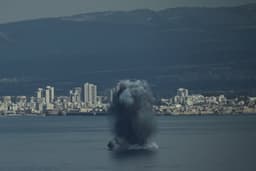
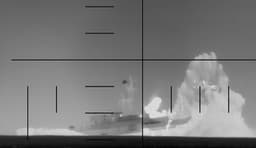
Historical precedents, such as the 1991 Gulf War oil spill, underscore the devastating long-term consequences for coastal ecosystems and wildlife. Experts warn that current events pose an 'ecological ticking time bomb,' with trapped oil tankers potentially releasing vast quantities of oil. Beyond oil, the use of explosives risks acoustic disturbance and physical damage to vital habitats like coral reefs and seagrass beds.
The war's impact extends to avian life, with potential disruptions to migratory routes due to noise and toxic smoke. The use of military sonar has also been linked to whale strandings, highlighting the multifaceted threats to marine mammals.