

Home / War and Conflict / US Hypersonic Race: Lagging Behind Adversaries
US Hypersonic Race: Lagging Behind Adversaries
21 Apr
Summary
- US hypersonic weapon development faces delays and testing constraints.
- China and Russia already possess fielded hypersonic systems.
- Limited testing infrastructure is a major bottleneck for US progress.
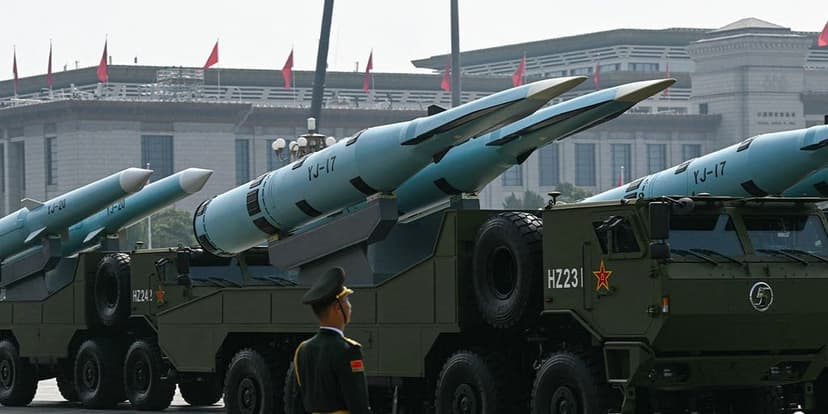
The United States is experiencing significant challenges in its development of hypersonic weapons, potentially leaving it behind China and Russia. Multiple key programs have encountered repeated delays and setbacks, with some being canceled and later revived as the Pentagon reevaluates its strategy. This uneven progress is exacerbated by a critical constraint: limited testing capacity.
With only a few facilities capable of simulating or sustaining hypersonic speeds, U.S. programs frequently face delays while waiting for test opportunities. Experts highlight this testing bottleneck as a primary factor slowing down the pace of innovation and evaluation. Additionally, shifting defense priorities over the years and stringent safety requirements have contributed to extended timelines compared to adversaries who may field less mature systems more rapidly.
Despite these hurdles, some U.S. efforts are advancing, such as the Army's 'Dark Eagle' program and the Air Force's revived Air-Launched Rapid Response Weapon (ARRW). However, the U.S. is also heavily investing in defenses against hypersonic threats, including the Glide Phase Interceptor and a space-based tracking network. The urgency is driven by the fact that China and Russia already possess these advanced weapons, necessitating accelerated U.S. development and a reevaluation of defense strategies against this new class of threats.
