

Home / War and Conflict / From Pet Toys to Combat Drones: Ukraine's Tech Pivot
From Pet Toys to Combat Drones: Ukraine's Tech Pivot
9 Apr
Summary
- Ukrainian entrepreneurs transformed pet tech into advanced AI military drones.
- New companies Odd Systems and The Fourth Law develop drone targeting and defense.
- Ukraine's defense tech startups attract significant foreign investment.
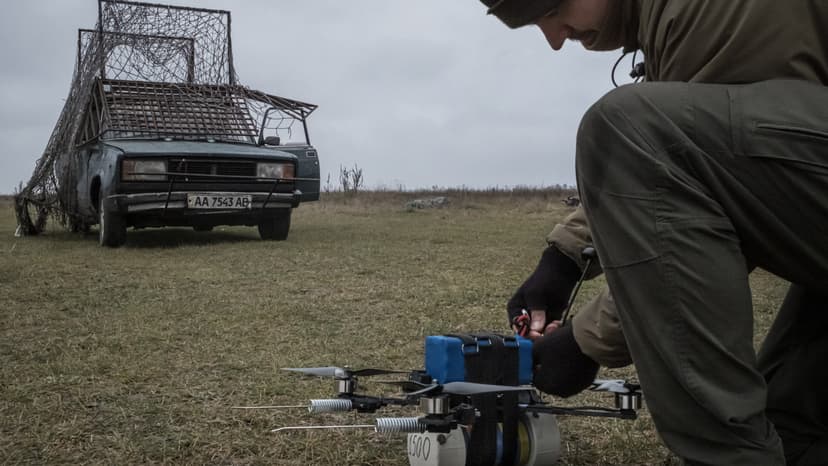
Ukraine's civilian technology sector is undergoing a significant transformation, shifting towards military contracting. Yaroslav Azhnyuk, an entrepreneur previously known for the pet gadget Petcube, has co-founded Odd Systems and The Fourth Law. These new ventures integrate AI-powered image recognition and autopilot systems into FPV drones for military use, enabling autonomous attacks on identified enemy targets and enhancing drone survivability against jamming.
Odd Systems has also developed Zerov, a drone interceptor designed to counter Iranian-made Shahed drones, a technology attracting international interest. The company's FPV drones with image recognition are actively used on the front lines, with ongoing testing of autonomous route-striking versions. This pivot from consumer electronics to defense technology is emblematic of Ukraine's burgeoning weapons start-up scene.
Ukraine now boasts over 2,000 military technology startups, supported by initiatives like Brave1. Foreign direct investment in these companies rose significantly, reaching approximately $100 million in the past year. Major deals include Swarmer raising $15 million and U-Force securing $50 million in seed capital. Public funding from European nations also plays a role, with some countries requiring a minimum percentage of Estonian components for investment eligibility.
The Ukrainian tech industry, once famed for giants like Grammarly and Ring, is now a crucial defense hub. Azhnyuk emphasized the necessity of AI in weaponry, citing adversaries' lack of restraint and his personal commitment to defending his country. Despite ethical concerns regarding autonomous strikes, such innovations are deemed vital for countering a ruthless adversary, with potential implications for future global conflicts.
