


Home / War and Conflict / War's Hidden Battle: Soldiers Fight Addiction On Front Lines
War's Hidden Battle: Soldiers Fight Addiction On Front Lines
19 Apr
Summary
- Soldiers struggle with addiction amidst Ukraine's ongoing conflict.
- Rehabilitation clinics treat addiction alongside war trauma.
- Stigma persists, but commanders show more understanding now.
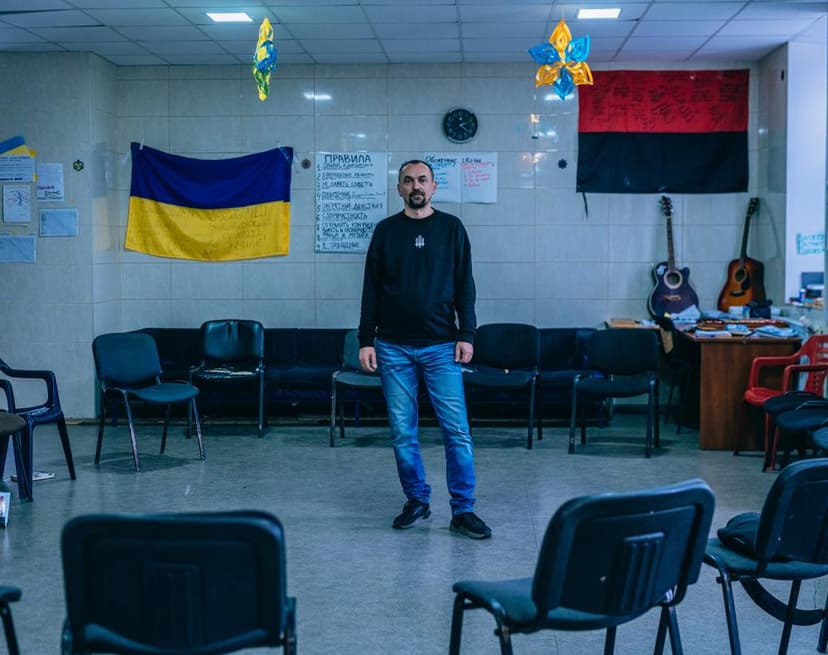
Seven years clean, Oleksandr believed he had left addiction behind. Then, a year into fighting Russia, the Ukrainian soldier was prescribed painkillers for a shoulder injury. Under the strain of war, he relapsed and quickly began using stronger illicit opioids. "From that moment, I was fighting two wars - one inside myself and one with Russia," he said, speaking at a rehabilitation facility in Kyiv.
Drug and alcohol abuse have shadowed every modern conflict. In Ukraine's war, now in its fifth year, the psychological toll on soldiers has been immense, and for some, addiction has followed. Oleh Olishevskiy, who runs a specialized rehabilitation clinic, stated, "Drug use among troops is a grey area. Everyone knows it exists, but few want to talk about it."
A 2024 study indicated significant substance use among soldiers, with over a third using amphetamines monthly and one in five reporting prescription drug use. At Kyiv's clinic, patients receive treatment for up to four months, aiming for their return to service. However, experts emphasize that the need for addiction care will persist long after the fighting ends.
While stigma remains, attitudes among commanders are shifting, with more soldiers being sent for treatment. Some rehab staff are former addicts and servicemen themselves, believing addiction and war trauma are inseparable. Stimulants are sometimes used to stay awake, but addiction often worsens away from the front as soldiers struggle to unwind and blunt intrusive memories.
Drugs are reportedly easy to obtain, ordered through the Ukrainian post or collected from hidden stashes. This has led to paranoia and a blurring of reality for some soldiers. The rehabilitation process involves structured routines, including group therapy and physical activity, though the war's impact is ever-present.
Specialists are collaborating with western countries for research, exploring treatments like ketamine for PTSD. However, Ukraine's manpower shortages create challenges, sometimes leading to patients returning to service before full recovery. Even reducing drug use to a functional level is considered a success in practice. Additionally, mobilization officers have reportedly allowed prospective soldiers with existing drug use to enlist.
