

Home / War and Conflict / Strait of Hormuz Traffic Stalled by Iran-US Tensions
Strait of Hormuz Traffic Stalled by Iran-US Tensions
10 Apr
Summary
- Only 10 ships passed through Strait of Hormuz since ceasefire began.
- Around 800 ships remain stuck in the Gulf since war started.
- Iran directs ships through approved routes citing mine risks.
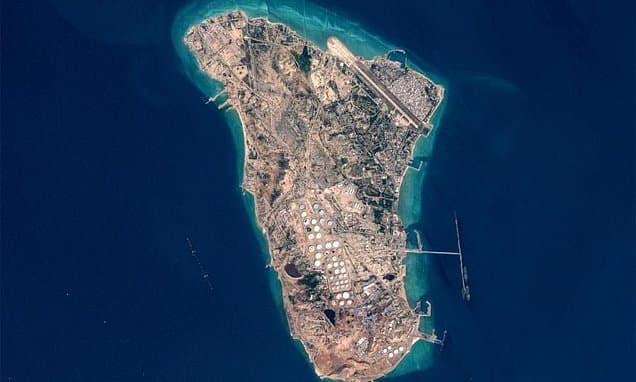
The critical Strait of Hormuz is experiencing severely limited traffic, with only 10 vessels passing since a ceasefire was announced on Wednesday. This follows a period since February 28 where approximately 800 ships have been stuck in the Gulf. Maritime tracking indicates that most passages involved Iranian trade or ships from countries not hostile to Iran, suggesting little change from pre-ceasefire levels.
Iran's Revolutionary Guards (IRGC) have cited concerns over sea mines in the main shipping zone, directing vessels to use alternative routes near Larak Island. Reports suggest ships may need to collaborate with the Iranian navy or pay fees, potentially in cryptocurrency, for passage. Industry representatives express uncertainty about safe transit, with major shipping lines like Hapag-Lloyd refusing to resume operations.
As of Thursday, hundreds of ships and thousands of crew remained stranded. Maritime data shows 172 million barrels of crude and refined products on 187 tankers were at sea. While no new attacks on ships have been reported since the ceasefire, 30 commercial ships, including 13 tankers, had been targeted or involved in incidents between March 1 and the ceasefire.
