


Home / War and Conflict / Asian Ships Eye Hormuz Passage After U.S.-Iran Ceasefire
Asian Ships Eye Hormuz Passage After U.S.-Iran Ceasefire
22 Apr
Summary
- Asian ship owners may soon transit the Strait of Hormuz.
- Tolls and safety concerns could continue to impact traffic.
- Global shipping fleet could react quickly to Hormuz reopening.
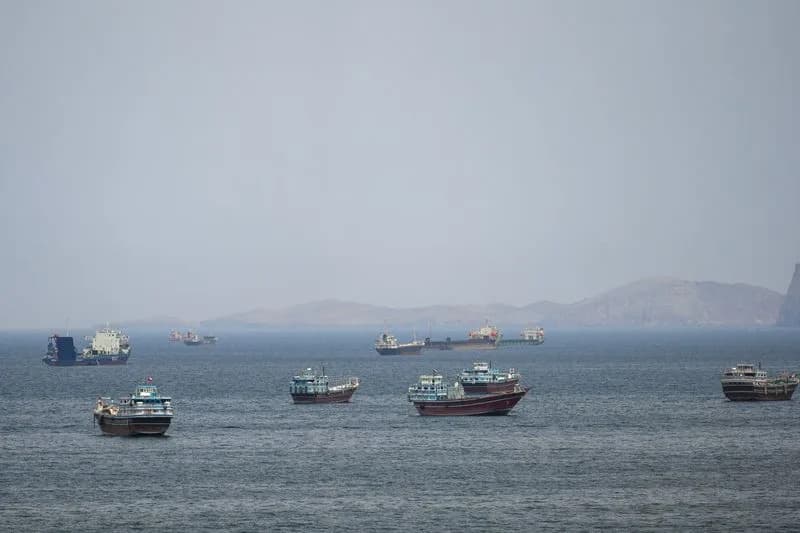
Asian ship owners may soon resume passage through the Strait of Hormuz, as a fragile U.S.-Iran ceasefire offers a potential easing of tensions. Shipping executives noted on Wednesday that these owners often possess a higher tolerance for risk and may be better positioned to handle imposed tolls, contrasting with Western companies adhering to sanctions.
Hundreds of vessels have been held up in the Middle East Gulf since late February, causing significant disruptions to global oil and liquefied gas supply. While some ships recently managed to depart, Iran's actions, including firing shots, have led to further incidents, with at least three container ships reportedly hit on Wednesday.
Companies willing to disregard OFAC sanctions might find passage feasible if government-to-government communications resolve safety issues. Experts suggest that Indian, Iraqi, and Chinese vessels are among those likely to transit, potentially in the coming weeks. However, increased costs and persistent safety worries, including rising war risk premiums and crew willingness to undertake the voyage, could continue to influence traffic.
The global shipping fleet possesses the capacity to respond rapidly to a reopening of Hormuz. Even though many ships have relocated to the Atlantic Basin to capitalize on high freight rates during the crisis, they could pivot back.
