

Home / War and Conflict / Strait of Hormuz Blockade Sparks Global Oil Crisis
Strait of Hormuz Blockade Sparks Global Oil Crisis
31 Mar
Summary
- Hormuz closure due to US-Iran conflict caused oil prices to soar.
- Nearly 90% of oil and gas shipments through Hormuz were Asia-bound.
- Myanmar enforces alternate day fuel policy and weekly limits.
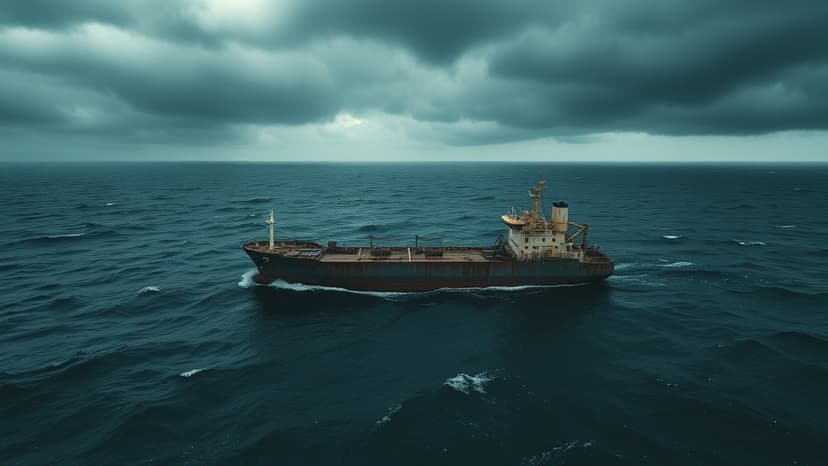
The Strait of Hormuz has been closed since late February, following military actions by the United States and Israel against Iran. This pivotal closure has triggered a significant global economic response, marked by rapidly increasing oil prices and substantial disruptions to international shipping routes.
Before this event, the strait was a critical artery for global energy transport, with approximately 90% of the oil and gas passing through it destined for various Asian countries. The cessation of these shipments has created a considerable deficit in the energy supply chain for the region.
In Myanmar, the impact is acutely felt. Drivers have been reporting extremely long queues at petrol stations. The country's military-backed authorities have responded by introducing a policy restricting private vehicle usage to alternate days. Furthermore, fuel consumption for individuals has been capped at a maximum of 35 litres per week, underscoring the severity of the fuel shortage.
