Home / War and Conflict / Soldiers Fight for Care After Iranian Drone Strike
Soldiers Fight for Care After Iranian Drone Strike
5 Oct
Summary
- Wounded soldiers reported difficulty accessing timely medical treatment.
- Iranian drone strike killed six troops at Port Shuaiba in Kuwait.
- Drawdowns left the region without major U.S.-run medical facilities.
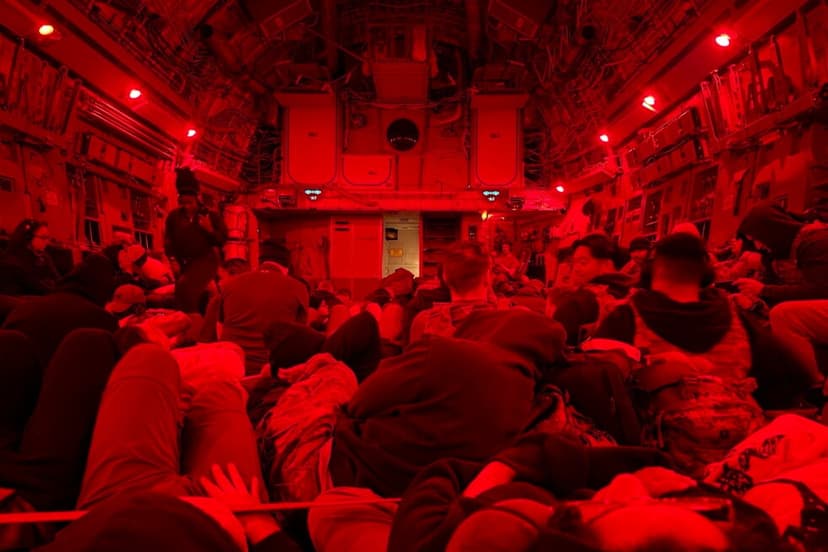
An Iranian drone strike on March 1 at Port Shuaiba in Kuwait resulted in the deaths of six U.S. service members and wounded dozens more. Soldiers injured in the attack have come forward to describe a difficult battle for medical care, alleging failures in recognizing injury severity and accessing timely treatment.
Several service members recounted long waits for MRIs, delays in receiving diagnoses like traumatic brain injuries (TBIs), and being instructed to seek outpatient care instead of immediate hospitalization. These accounts highlight concerns about the adequacy of medical preparedness and support systems for wounded troops.
The criticisms emerge as the U.S. military presence and dedicated medical facilities in the Middle East have decreased over recent years. This drawdown has left a gap in immediate, specialized care options closer to deployed service members.
Despite Pentagon statements affirming that all wounded troops are evaluated according to healthcare industry practices, soldiers like Lt. Col. Arturo Lincón and Maj. Stephen Ramsbottom detailed personal struggles in obtaining necessary medical attention and documentation for their injuries.
Many injured soldiers were eventually transferred to facilities like Landstuhl Regional Medical Center in Germany and later Fort Hood in Texas for further evaluation and processing. Some, like Lincón, continue to experience lingering effects from their injuries months after the attack.


