

Home / War and Conflict / Gulf Migrant Workers' Futures Uncertain Amidst War
Gulf Migrant Workers' Futures Uncertain Amidst War
1 Apr
Summary
- Millions of migrant workers in the Gulf face uncertain futures due to regional conflict.
- Many rely on low wages to support families back home, with limited safety nets.
- Repatriation efforts are underway, but travel disruptions hinder many departures.
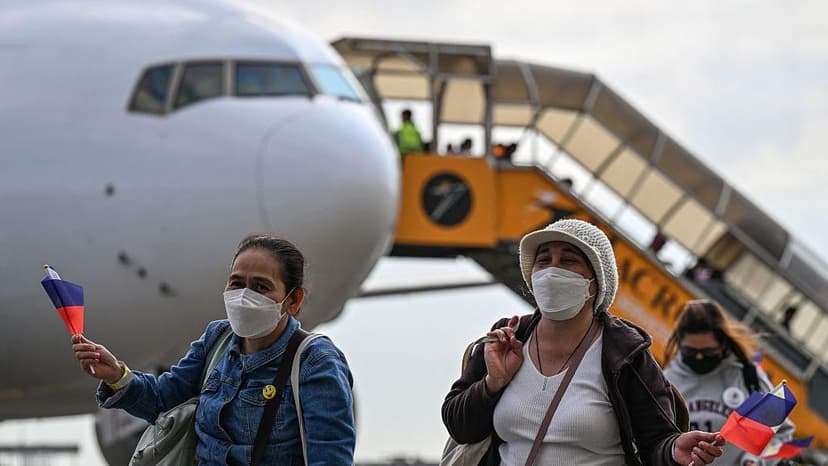
Millions of migrant workers across the Middle East find their lives upended by escalating regional conflicts. These individuals, essential to the economies of Gulf states, are now facing profound uncertainty regarding their safety and futures. Many, like Filipino domestic worker Norma Tactacon in Qatar, are thousands of miles from home and fear for their lives while trying to support their families.
These workers, including construction laborers and domestic staff, send vital remittances home, often earning significantly more than they could in their native countries. However, they frequently operate with precarious employment and limited access to healthcare. The current conflict has led to casualties among migrant populations, with reports of deaths and injuries in countries like Israel, the UAE, and Abu Dhabi.
As a result, governments are organizing repatriation flights, but travel disruptions to major hubs like Dubai and Qatar make these journeys perilous and lengthy. Despite these challenges, some migrant workers, like Su Su from Myanmar in Dubai, express a sense of relative calm compared to their home countries, though they remain vigilant, preparing for potential evacuations.
The crisis highlights the vulnerability of millions of overseas workers whose financial contributions are crucial for their home countries' economies, such as the Philippines and Bangladesh.
