Home / War and Conflict / War's toxic fallout poisons Persian Gulf region
War's toxic fallout poisons Persian Gulf region
26 Mar
Summary
- War releases chemicals, heavy metals, threatening water and health.
- Strikes on oil sites cause severe air and water contamination.
- Pollution risks from sunken ships and damaged plants persist.
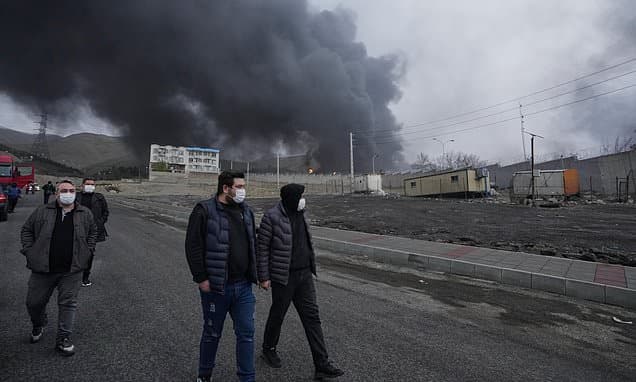
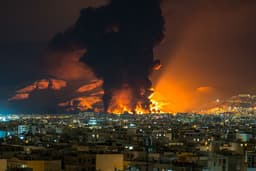
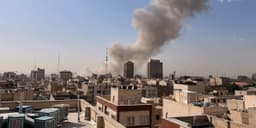
The ongoing conflict in the Persian Gulf region has unleashed a severe mix of toxic chemicals, heavy metals, and pollutants, creating enduring environmental damage and health risks expected to persist for decades. Attacks targeting oil and gas infrastructure have resulted in extensive contamination of air, soil, and water. For instance, strikes on fuel depots and a refinery led to black rain near Tehran, falling as an oily, acidic substance that poses risks of lung and heart problems, cancer, and contaminated water supplies.
The war's environmental impact extends to critical water resources. Countries in the arid Persian Gulf region depend heavily on desalination plants for drinking water, and damage to these facilities or pollution from sources like sunken ships poses significant health and security risks. Furthermore, sensitive ecosystems such as coral reefs and seagrass meadows are threatened by the widespread contamination. The long-term consequences of this environmental devastation are expected to be substantial, with recovery efforts likely to be a low priority amidst rebuilding needs.