Home / War and Conflict / Iran-US Strait Deal Crumbles Amid Renewed Fighting
Iran-US Strait Deal Crumbles Amid Renewed Fighting
15 Jul
Summary
- Peace deal unravels with renewed fighting and collapsed Strait of Hormuz traffic.
- Iran and America exchange tit-for-tat strikes, limiting attacks for now.
- Iran seeks financial benefits but faces internal hardliners, impacting the deal.
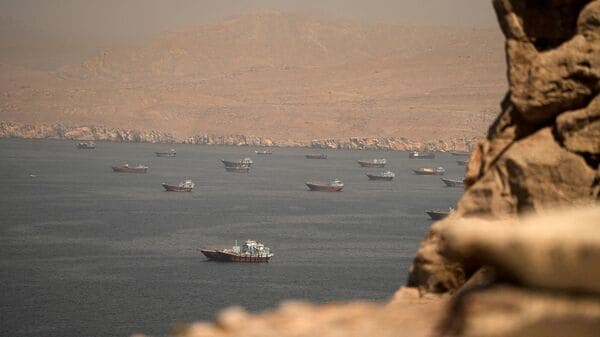
A preliminary peace deal between Iran and America, intended to end the Gulf war and reopen the Strait of Hormuz, is reportedly unravelling less than a month after its signing. Fighting has resumed, and traffic through the crucial strait has significantly decreased. Over several nights since July 7th, Iran and America have engaged in tit-for-tat strikes, though both sides are currently limiting their attacks.
The agreement's fifth paragraph, concerning safe passage for commercial vessels, is at the center of a dispute, with differing interpretations of Iran's responsibilities. This disagreement has led to reduced tanker traffic, with only 11 vessels transiting the strait on July 12th, down from 36 a week prior. Consequently, Brent crude oil prices have climbed approximately 20% since July 6th.
Iran reportedly signed the deal seeking financial relief for its economy, damaged by sanctions and mismanagement. However, the regime appears divided between pragmatists and hardliners, impacting its commitment to the agreement. America has responded by reinstating sanctions and considering a blockade of Iranian shipping.
Options for America include continuing limited strikes, escalating to broader attacks on Iranian infrastructure (risking wider conflict), or reinstating a blockade. International support for securing the strait is also limited, with several nations hesitant to commit warships. Ultimately, neither side appears to have a clear military path to achieving its objectives in the Strait of Hormuz.


