Home / War and Conflict / Gulf's Saltwater Kingdoms: Water Crisis Looms
Gulf's Saltwater Kingdoms: Water Crisis Looms
9 Mar
Summary
- Water, not oil, is at risk due to missile strikes on desalination plants.
- Millions depend on desalination; 90% of Kuwait's water is desalinated.
- Attacks on energy infrastructure can also disrupt water production.
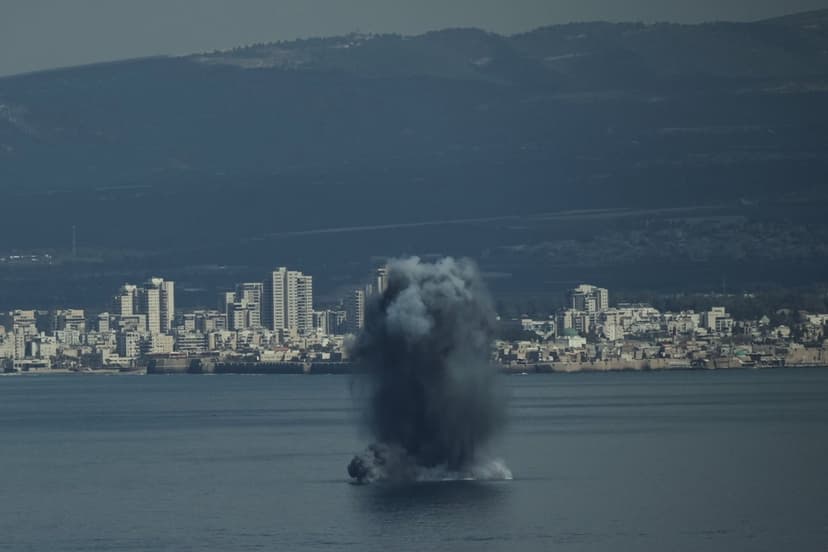
As conflicts escalate in the Persian Gulf, analysts warn that vital water resources, not just oil, are at significant risk. Hundreds of desalination plants along the coast are vulnerable to missile and drone strikes, threatening the water supply for millions across arid nations. Kuwait, Oman, and Saudi Arabia depend heavily on these facilities, with desalination providing up to 90% of their drinking water. The integration of power stations with water plants means attacks on energy infrastructure could also halt water production.
These "saltwater kingdoms," as they are described, represent a monumental achievement but also a critical vulnerability. Recent strikes have occurred near major desalination facilities in Dubai and the UAE, with damage reported at plants in Kuwait. While intentional targeting of water sites is not yet evident, debris from intercepted drones or nearby attacks have caused disruptions. Experts highlight that damage to any stage of the desalination process—from intake to energy supply—can interrupt production, leaving cities at risk of losing essential freshwater supplies within days.
Historical incidents, such as the sabotage of Kuwait's facilities during the 1990-1991 Gulf War and oil spills threatening water intakes, underscore this vulnerability. More recently, Houthi rebels have targeted Saudi desalination facilities. This broader erosion of norms against attacking civilian infrastructure, including water facilities deemed indispensable for survival, is a growing concern, exacerbated by the potential for cyberattacks. Even Iran, facing its own severe water crisis, is expanding desalination but faces significant constraints.