Home / War and Conflict / GPS Jamming Blinds Ships in Middle East Waters
GPS Jamming Blinds Ships in Middle East Waters
6 Mar
Summary
- Over 1,100 commercial ships experienced navigation system failures.
- Navigation interference has slowed traffic through the vital Strait of Hormuz.
- Electronic warfare tactics are increasingly impacting civilian navigation.
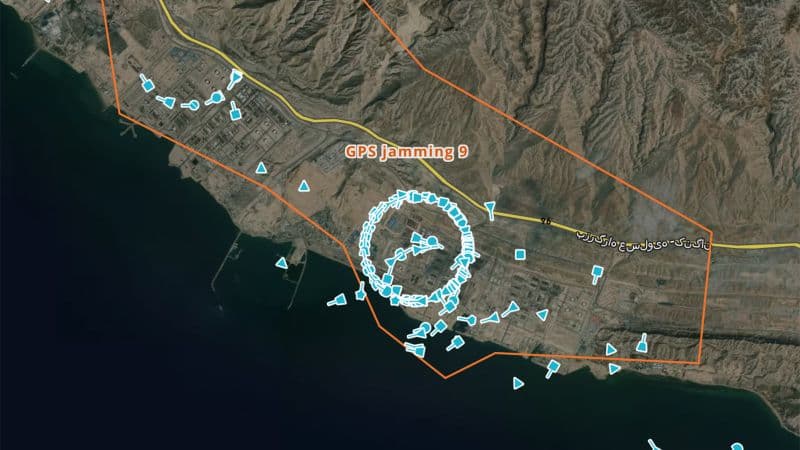
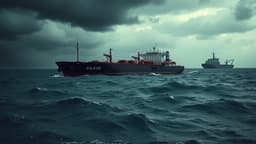
Following initial US-Israeli strikes on Iran, maritime navigation systems in the region were severely disrupted within 24 hours. Over 1,100 commercial vessels in UAE, Qatari, Omani, and Iranian waters experienced navigation system failures, with GPS signals erroneously placing them on land or in airports. This widespread jamming and spoofing of satellite signals, a tactic used to disrupt drones and missiles, has significantly slowed traffic through the vital Strait of Hormuz, which handles approximately 20% of global oil and gas exports.
The electronic interference has created a dangerous "electronic fog," forcing some tankers to reverse course or cease broadcasting their Automatic Identification System (AIS) signals. Maritime intelligence analysts describe the situation as "extremely dangerous for maritime navigation," as the inability to track vessels impedes collision avoidance. The number of reported GPS interference events has more than doubled since the conflict began, impacting hundreds of vessels each day.
This phenomenon is not new, having been a significant issue since Russia's invasion of Ukraine in 2022, but has become more "endemic" in regions near conflict. Experts worry the impacts could extend beyond military applications. Concerns are also rising for aviation, with a significant increase in GPS signal loss events affecting aircraft, forcing pilots to rely on manual navigation and increasing workload.
The vulnerability stems from the open nature of publicly accessible GNSS signals, which are easily overpowered. While solutions like enhanced receivers and specialized antennas exist, upgrading systems is time-consuming and costly. The escalating use of these tactics presents a real-world test for the resilience of maritime navigation, with potential consequences for crew safety if emergency broadcast positions become unreliable.