Home / War and Conflict / Chernobyl Power Cut: Fuel Overheating Risk Low
Chernobyl Power Cut: Fuel Overheating Risk Low
20 Jan
Summary
- Chernobyl's spent fuel cooling systems lost power due to Russian strikes.
- Older fuel significantly reduces the risk of overheating and radiation release.
- IAEA is monitoring the situation, with experts deeming the risk minimal.
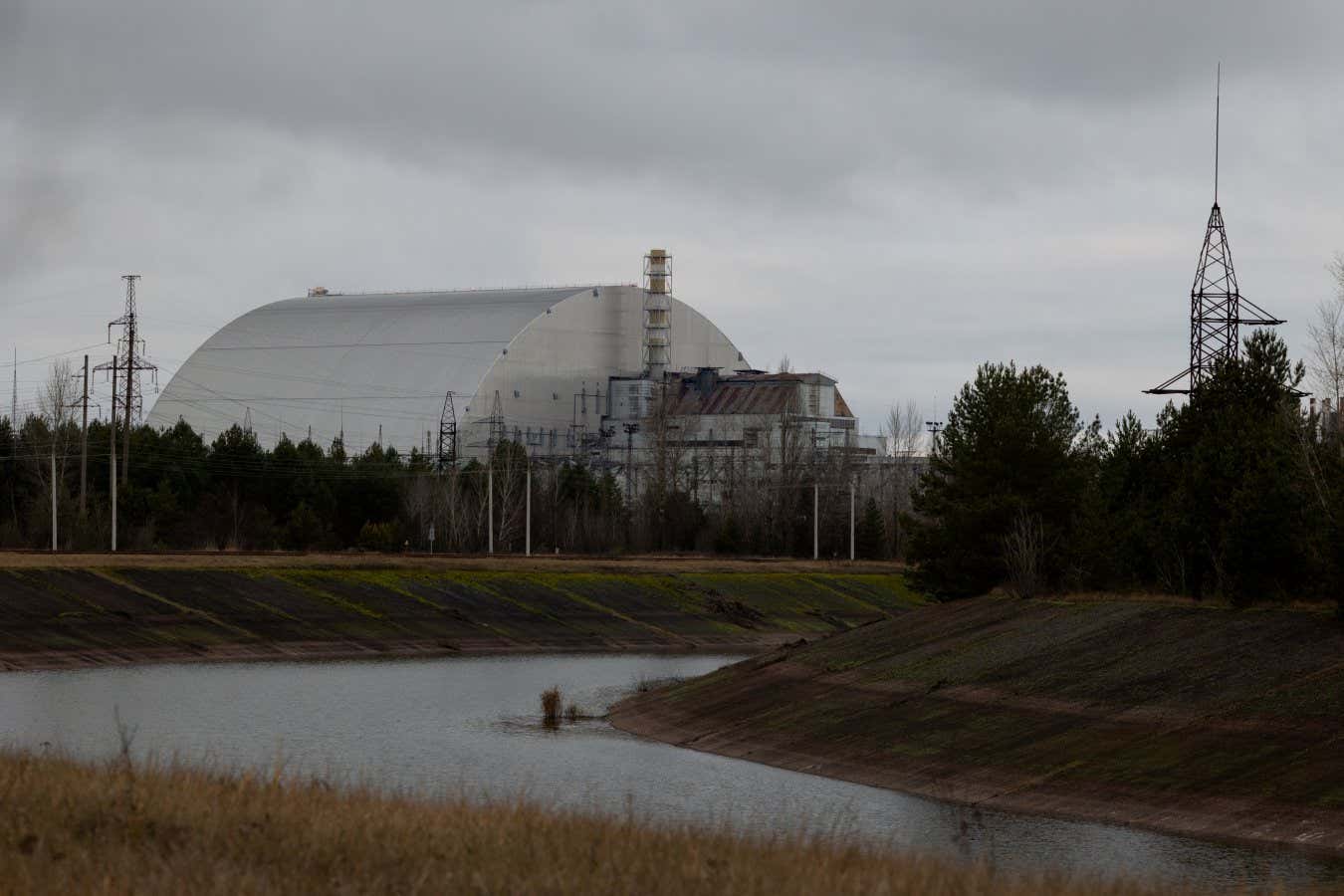
An electrical outage at Ukraine's Chernobyl Nuclear Power Plant has led to the shutdown of spent fuel cooling systems, raising concerns about potential overheating and radiation release.
The International Atomic Energy Agency reported that Russian military strikes on Ukrainian electrical substations caused the power loss at Chernobyl. Spent nuclear fuel emits heat for years and requires continuous cooling to prevent melting and dangerous radiation spikes.
However, the fuel at Chernobyl, originating from reactors shut down between 1991 and 2000, is considerably older. This means it has already undergone significant decay, emitting much less radioactive energy and heat compared to newer fuel.