feedzop-word-mark-logo
searchLogin
Feedzop
homeFor YouUnited StatesUnited States
You
bookmarksYour BookmarkshashtagYour Topics
Trending
Terms of UsePrivacy PolicyAboutJobsPartner With Us

© 2026 Advergame Technologies Pvt. Ltd. ("ATPL"). Gamezop ® & Quizzop ® are registered trademarks of ATPL.

Gamezop is a plug-and-play gaming platform that any app or website can integrate to bring casual gaming for its users. Gamezop also operates Quizzop, a quizzing platform, that digital products can add as a trivia section.

Over 5,000 products from more than 70 countries have integrated Gamezop and Quizzop. These include Amazon, Samsung Internet, Snap, Tata Play, AccuWeather, Paytm, Gulf News, and Branch.

Games and trivia increase user engagement significantly within all kinds of apps and websites, besides opening a new stream of advertising revenue. Gamezop and Quizzop take 30 minutes to integrate and can be used for free: both by the products integrating them and end users

Increase ad revenue and engagement on your app / website with games, quizzes, astrology, and cricket content. Visit: business.gamezop.com

Property Code: 5571

Home / War and Conflict / Chernobyl Power Cut: Fuel Overheating Risk Low

Chernobyl Power Cut: Fuel Overheating Risk Low

20 Jan

•

Summary

  • Chernobyl's spent fuel cooling systems lost power due to Russian strikes.
  • Older fuel significantly reduces the risk of overheating and radiation release.
  • IAEA is monitoring the situation, with experts deeming the risk minimal.
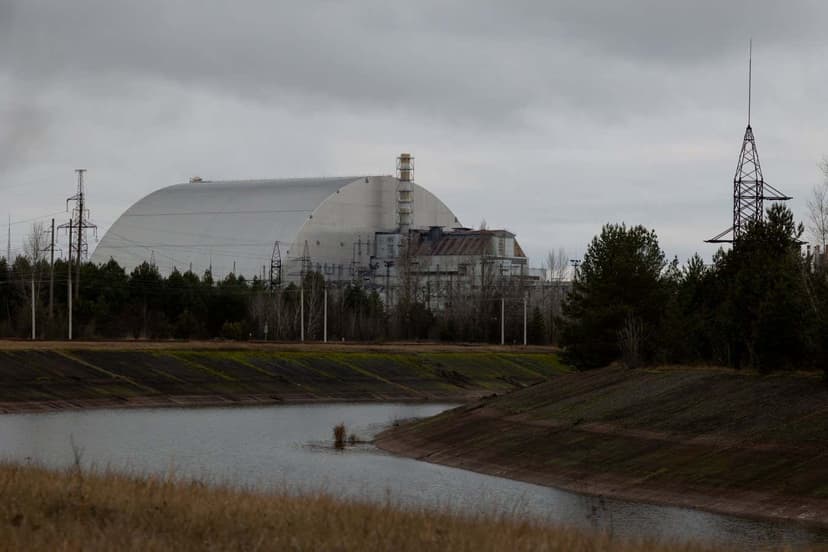
Chernobyl Power Cut: Fuel Overheating Risk Low

An electrical outage at Ukraine's Chernobyl Nuclear Power Plant has led to the shutdown of spent fuel cooling systems, raising concerns about potential overheating and radiation release.

The International Atomic Energy Agency reported that Russian military strikes on Ukrainian electrical substations caused the power loss at Chernobyl. Spent nuclear fuel emits heat for years and requires continuous cooling to prevent melting and dangerous radiation spikes.

However, the fuel at Chernobyl, originating from reactors shut down between 1991 and 2000, is considerably older. This means it has already undergone significant decay, emitting much less radioactive energy and heat compared to newer fuel.

trending

DC region snowstorm threat

trending

North Carolina winter storm emergency

trending

Sinner into Australian Open

trending

Pittsburgh schools delayed or closed

trending

Extreme cold watch issued

trending

Jeanie Buss, LeBron frustration

trending

Zimmerman girl missing

trending

D.C. weekend winter storm

trending

Gilgeous-Alexander scores 40 points

Experts emphasize that while any power loss at a nuclear facility is concerning, the risk of a serious incident at Chernobyl is substantially lower than in the past. The site's stored fuel has had over two decades to cool down, diminishing the immediate threat of overheating.

This incident is the latest in a series of Russian actions impacting nuclear safety in Ukraine, following previous disruptions at Chernobyl and the occupation of the Zaporizhzhia Nuclear Power Plant.

Disclaimer: This story has been auto-aggregated and auto-summarised by a computer program. This story has not been edited or created by the Feedzop team.
An electrical outage caused spent fuel cooling systems to shut down, raising concerns about potential overheating.
Experts believe the risk is extremely slim because the spent fuel is decades old and has significantly cooled down.
The International Atomic Energy Agency (IAEA) is actively following developments at Chernobyl.

Read more news on

War and Conflictside-arrowUkraineside-arrow

You may also like

Nuclear Plant Restart Stalls Due to Technical Glitch

3 hours ago • 4 reads

article image

Japan Reactor Restart: Nuclear Power's Comeback?

8 Jan • 48 reads

article image

Japan's Nuclear Giant Awakens After 15 Years

22 Dec, 2025 • 133 reads

article image

Chernobyl Dome Breach: Radioactive Fears Rise

18 Dec, 2025 • 134 reads

article image

Michigan Nuclear Reactor Set for Historic Restart

8 Dec, 2025 • 199 reads

article image