Home / War and Conflict / Diplomat Saved 30,000, Defied Dictator
Diplomat Saved 30,000, Defied Dictator
20 Jul
Summary
- Portuguese diplomat saved over 30,000 lives during the Holocaust.
- He defied dictator Salazar's orders, issuing visas against policy.
- His actions led to his dismissal, poverty, and family ostracization.
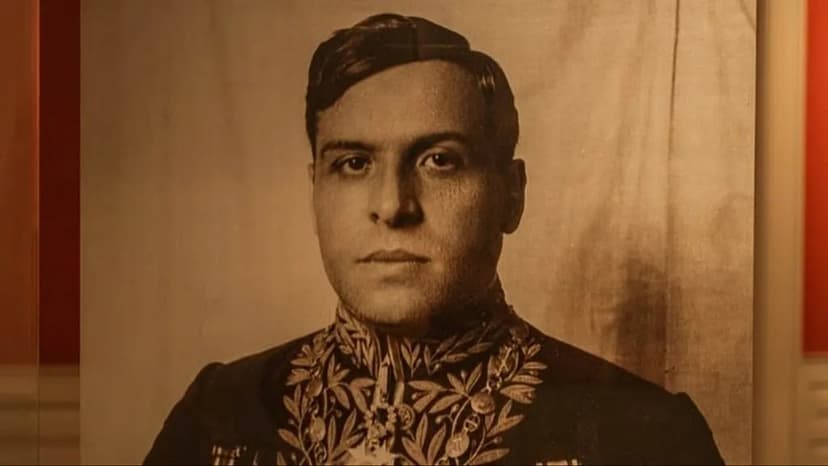
Portuguese diplomat Aristides de Sousa Mendes is remembered for his extraordinary courage during the Holocaust. In the summer of 1940, stationed as consul in Bordeaux, France, he defied explicit orders from Portugal's dictator, António de Oliveira Salazar. Facing thousands of refugees fleeing Nazi expansion, Mendes issued transit visas, enabling an estimated 30,000 individuals to escape persecution.
This humanitarian act, though saving numerous lives and potentially creating 750,000 descendants, had severe repercussions for Mendes. He was subjected to disciplinary proceedings, stripped of his duties, and his salary was cut, leading to his family's severe economic decline and social ostracism. He died in poverty after 14 years of hardship.
Despite the personal cost, Mendes's legacy is being preserved. The Aristides de Sousa Mendes Museum in Portugal aims to educate the public about his actions and advocates for his inclusion in national history curricula. His story is often compared to Oskar Schindler's, though Mendes's rescue operation was far larger in scale.
In 2021, Mendes received Portugal's highest honors, with his remains transferred to the National Pantheon. The museum also highlights parallels to contemporary refugee crises, emphasizing the enduring importance of compassion and humanitarianism.


