Home / War and Conflict / Africa's Midwife Crisis: Lives at Risk
Africa's Midwife Crisis: Lives at Risk
4 Oct
Summary
- Africa needs half of the global midwife shortage of 980,000.
- Conflict zones worsen the already severe midwife shortage.
- Improved conditions and incentives are crucial for retaining midwives.
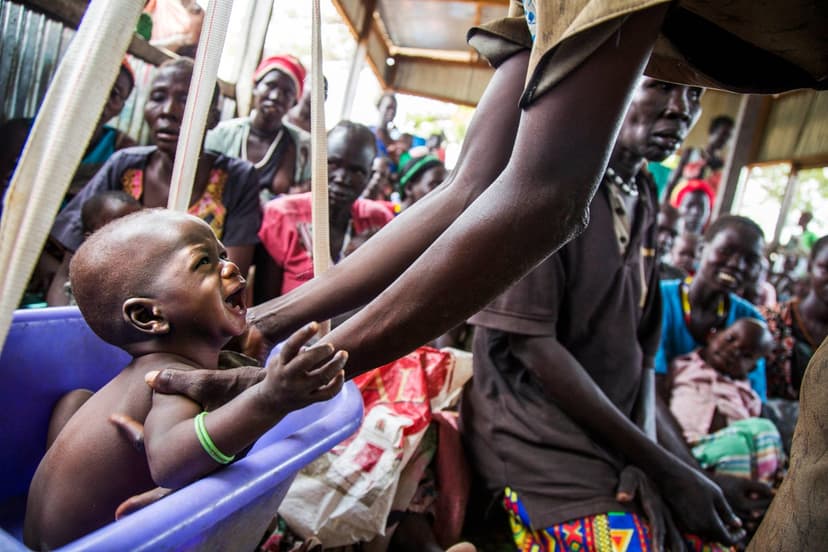
A severe global shortage of up to 980,000 midwives disproportionately affects Africa, which requires half of this number. The continent's need is critical, especially in regions impacted by conflict. Midwives in these areas confront extreme challenges, including a lack of basic equipment, frequent power outages, and personal insecurity, often working alone in life-threatening emergencies.
The crisis stems from insufficient training capacity, difficulty in securing employment, and poor working conditions such as low salaries and burnout. Attacks on healthcare facilities and the targeting of midwives further disrupt services. International funding cuts have depleted resources, impacting training and supply chains.
Experts stress the urgent need for strengthened employment pathways, deployment systems, and incentives like hazard pay and security escorts for midwives working in conflict-affected areas. Community-based services, like mobile clinics, are also vital for reaching displaced populations. Addressing these systemic issues is crucial to prevent further maternal and newborn deaths from preventable causes.


