Home / Technology / PINs forgotten: Young Brits lose card recall
PINs forgotten: Young Brits lose card recall
9 Mar
Summary
- Over half of under-35s forget their bank card PIN.
- Digital payments reduce need to remember numbers.
- Youngsters don't know own phone numbers, unlike boomers.
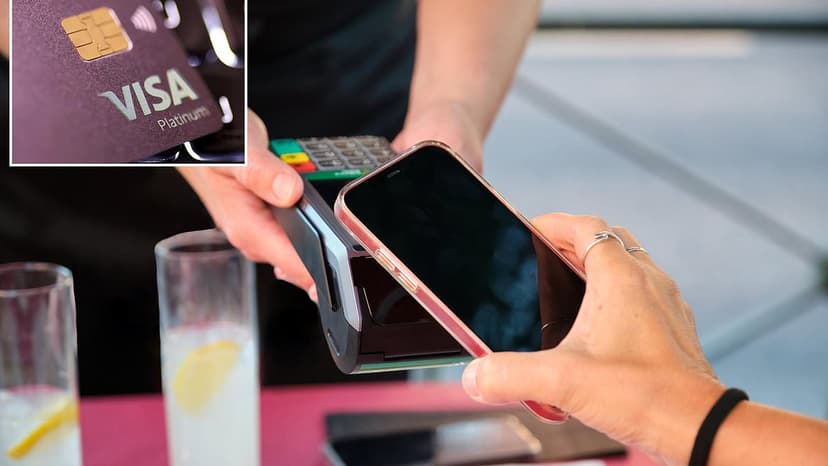
New data suggests that over half of individuals under the age of 35 are unable to remember their bank card's four-digit PIN. This phenomenon aligns with a broader societal trend observed over the last five years, where people are experiencing a decline in their ability to recall various numbers, including phone numbers and postcodes.
The rise of digital payment platforms such as Apple Pay and Google Pay is a primary factor. These technologies allow for quick, one-touch purchases without requiring users to manually enter card details, thereby diminishing the need for memorization.
Research indicates that a third of all adults recall fewer numbers now compared to five years ago. This trend is particularly pronounced among younger demographics, with one in four Gen Z individuals admitting they do not know their own phone number.
Conversely, older generations, like the baby boomers, demonstrate a stronger recall of personal numbers, often remembering not only their current home landline but also their childhood numbers. This contrast highlights a generational difference in adaptation to digital conveniences.
In the UK, digital payment methods saw significant adoption in 2024. Nine in ten people aged 16-24 used digital wallets, alongside four in five aged 24-35. This adoption rate is considerably higher than among older age groups.
Retailers are increasingly offering digital payment options to prevent customers from abandoning online purchases due to the inconvenience of entering card details. This convenience is a key driver for the growing preference for digital transactions over traditional debit cards.
While chip and PIN transactions remain prevalent for higher-value purchases, contactless mobile payments offer enhanced security through biometric authentication. Experts suggest that digital payments, backed by multiple layers of digital risk intelligence, may be more secure than physical cards relying solely on a PIN.
Despite security concerns, a UK Finance spokesperson stated that all payment methods possess security features, and chip and PIN remains crucial for high-value transactions and situations exceeding contactless limits, serving as a strong in-person security control.