Home / Technology / Windows 12 Rumors Debunked: What's Next for Microsoft?
Windows 12 Rumors Debunked: What's Next for Microsoft?
8 Mar
Summary
- Windows 10 officially unsupported by October 2025.
- Windows 12 release in 2026 was a false report.
- Future Windows versions may focus on AI and app restrictions.
Microsoft is at a pivotal moment as Windows 10's support ends in October 2025, leaving Windows 11 as the sole flagship operating system, which currently boasts over a billion active users. Recent reports suggesting a Windows 12 release in 2026 have been officially retracted, clarifying that no such immediate successor is planned.
Instead, Microsoft is prioritizing improvements for Windows 11, with Pavan Davuluri, head of the Windows division, pledging to address customer concerns regarding performance and reliability this year. This includes planned feature updates such as version 26H2 and a new version 26H1 designed for new Qualcomm Snapdragon X2 processors.
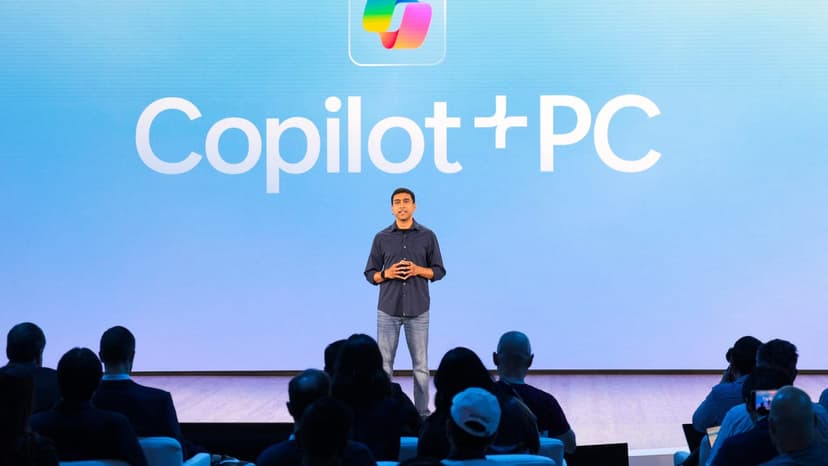
Looking ahead, Microsoft is expected to continue its deep integration of AI, particularly its Copilot features, across the Windows ecosystem. Predictions suggest the next major Windows version might require PCs meeting new "Copilot+" standards, including dedicated NPUs and enhanced memory/storage. This could mirror the hardware restrictions seen with Windows 11, potentially limiting upgrades for older machines.
Further speculation points towards a shift in how applications are managed. Future Windows versions, particularly the Home edition, may restrict app installations to trusted sources like the Microsoft Store. Users seeking to install external Win32 apps might need to upgrade to Pro or Enterprise editions, with these apps potentially running in sandboxed environments or via cloud services.
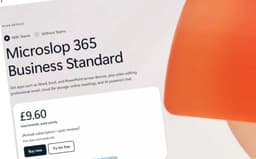
Finally, a potential move towards a subscription model for certain Windows editions is on the horizon. While the traditional model of pre-installed Windows on new PCs is expected to continue as "Windows Core," Pro features might transition to a subscription-based package, possibly named Microsoft 365 Pro, mirroring existing enterprise licensing structures.