Home / Technology / Video Doorbells Face Lawsuits Over Facial Recognition
Video Doorbells Face Lawsuits Over Facial Recognition
25 Jul
Summary
- Lawsuits allege Google Nest and Amazon Ring illegally use AI face recognition.
- Biometric data collection may violate privacy rights without consent.
- Companies may have known about legal risks of facial recognition technology.
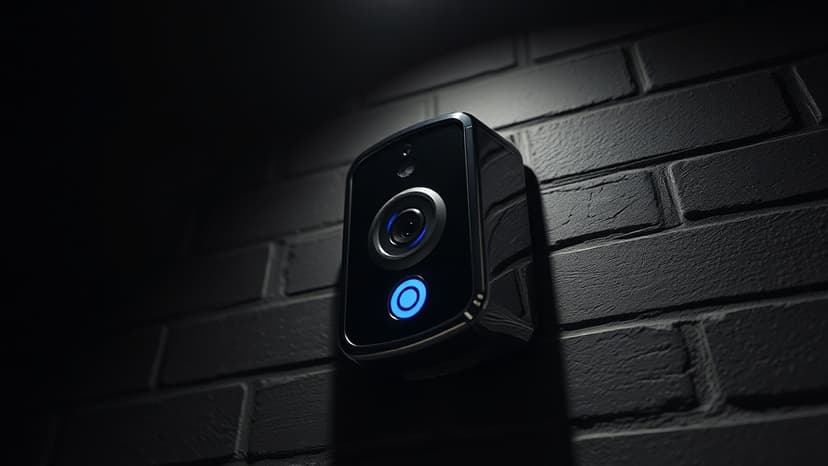
New lawsuits have been filed against Google Nest and Amazon Ring, alleging their video doorbells misuse AI facial recognition technology. These legal actions claim that the 'familiar-face' feature collects biometric data, such as faceprints, from individuals without their explicit consent. This data could include images of delivery workers, neighbors, or strangers passing by.
While Ring and Google have previously indicated awareness of the legal complexities and potential violations associated with facial recognition, these lawsuits assert that the companies are proceeding with the technology regardless. The plaintiffs are leveraging state privacy laws, including those in Virginia and California, to support their claims that this data collection infringes on privacy rights.
The core of the lawsuits focuses on the unauthorized capture and use of biometric data, irrespective of how long it is stored. While the extent to which doorbells capture faces depends on factors like resolution and camera placement, the legal challenge centers on the act of collection without consent. Both Ring and Google have acknowledged these features may require user consent and are disabled in some regions, like Illinois and Oregon.
Currently, these are not official class-action suits, and a court will determine if they progress to that stage. Users of video doorbells are not personally at risk of legal action, but the success of these lawsuits could lead to more limited access to familiar-face technology in the United States.


