Home / Technology / UN warns AI could deepen global inequality
UN warns AI could deepen global inequality
2 Dec, 2025
Summary
- AI gains likely favor wealthy nations without intervention.
- AI's impact on jobs and livelihoods is a major concern.
- Vulnerable populations may be excluded from AI benefits.
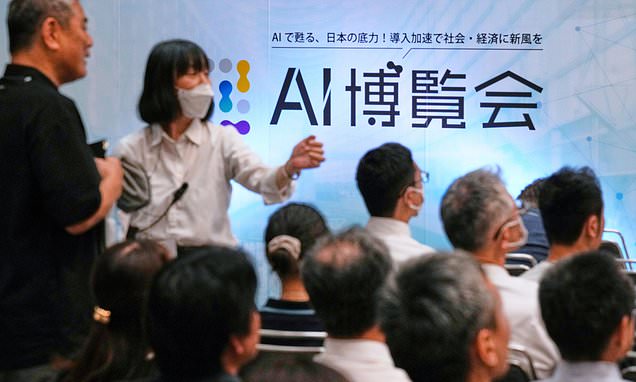
Artificial intelligence, while promising advancements, carries significant risks of exacerbating global inequalities, according to a new United Nations Development Programme report. The analysis suggests that unless proactive measures are taken, the majority of AI's benefits will accrue to affluent nations, potentially widening existing disparities in basic needs and advanced knowledge. This echoes historical industrial revolutions where modernization benefited some regions while others lagged.
The report underscores widespread concerns about AI's impact on employment, with machines and robots poised to replace human jobs. Beyond productivity and economic growth, the focus must shift to AI's implications for human lives, particularly for those in communities struggling with access to essential services like power and internet, and for vulnerable groups like the elderly or those displaced by conflict and disasters. These populations may be marginalized in data-driven AI systems.
While AI offers potential solutions for challenges in agriculture, healthcare, and disaster management, significant risks remain. These include the substantial energy and water consumption of data centers, potential hindrance to climate goals, and threats from cyberattacks and deepfakes. Nations in Asia like China and South Korea are well-positioned, while countries such as Afghanistan and Myanmar lack the necessary resources. To mitigate these dangers, the UN urges investment in digital infrastructure, education, and robust regulations to ensure AI democratizes benefits and protects those at risk.