Home / Technology / Sound Waves Revolutionize Brain-Computer Interfaces
Sound Waves Revolutionize Brain-Computer Interfaces
2 Mar
Summary
- Ultrasound technology offers non-invasive brain interface development.
- Gestala company focuses on pain relief with ultrasound brain stimulation.
- Companies explore ultrasound for interpreting brain activity and mental health.
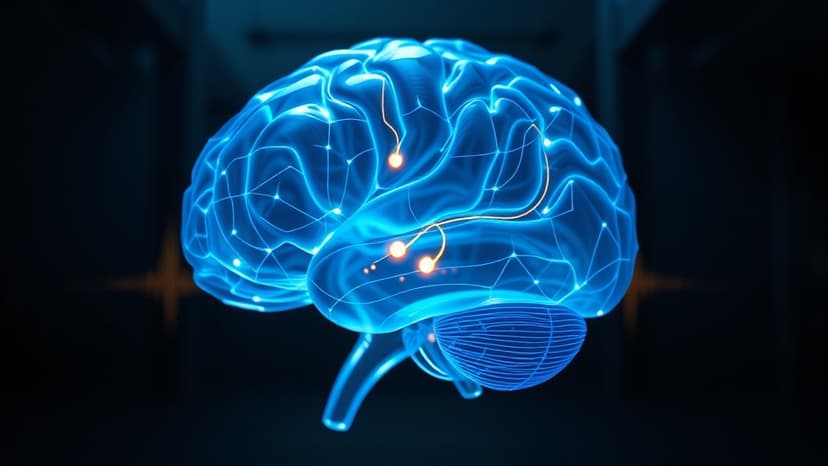
A quiet revolution is underway in brain-computer interfaces, moving beyond implants to utilize focused ultrasound technology. Chinese companies, including the newly founded Gestala, are pioneering this non-invasive approach. Gestala aims to stimulate and study brain activity using sound waves, with an initial focus on alleviating chronic pain by targeting the anterior cingulate cortex. Early studies suggest this can reduce pain for up to a week, with plans for a stationary clinic device and a future wearable helmet.
The technology's potential extends to mental health conditions like depression, stroke rehabilitation, Alzheimer's, and sleep disorders. While ultrasound is already used in medical imaging and approved for conditions like Parkinson's, its application in interpreting brain signals is more complex. Unlike traditional electrode-based systems, ultrasound may offer broader brain region access, though challenges like skull distortion and slower blood flow measurements persist.
Globally, this field is seeing significant investment, with OpenAI backing Merge Labs. However, experts caution that widespread real-world applications are still years away. The experimental nature of ultrasound BCIs means patients won't find them in stores soon, but success could offer alternatives to brain surgery for pain and mental health. New privacy concerns arise with brain data analysis, and the integration with AI highlights a growing intersection of digital intelligence and neuroscience.