Home / Technology / SSD Virtualization Goes Hardware Native
SSD Virtualization Goes Hardware Native
12 Jul
Summary
- TP4193 standard shifts SSD virtualization from software to hardware.
- New standard slashes latency and hypervisor complexity for AI workloads.
- Hardware-based virtualization likely to keep enterprise SSD prices elevated.
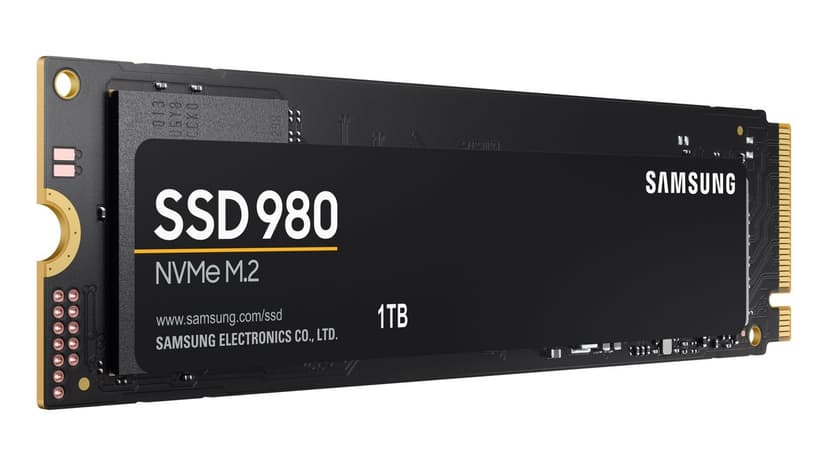
A new NVMe technical standard, TP4193, is set to transform storage management in AI data centers by integrating virtualization directly into SSD hardware. Developed by Samsung, Google, and other infrastructure leaders, this standard moves away from traditional software-based methods like trap-and-emulate, which introduced latency and consumed processing power.
The shift to hardware-native virtualization allows virtual machines direct access to storage, streamlining operations and reducing hypervisor overhead. This capability is crucial for hyperscale data centers supporting dynamic AI training and inference workloads.
Because TP4193 requires new hardware controllers, existing SSDs cannot be retrofitted, necessitating fleet refreshes by companies like Google. This, coupled with current NAND supply constraints and escalating AI infrastructure demand, is predicted to sustain upward pressure on enterprise SSD prices.
The standard enables secure isolation in multi-tenant environments and simplifies live migration of virtual machines across thousands of devices, features highly sought after by AI infrastructure operators. While product rollout timelines remain uncertain, a near-term decrease in enterprise SSD prices appears unlikely due to the direct link between new capabilities and new hardware.


