

Home / Technology / Toyota's Hydrogen Gamble: Still Betting on a Niche Fuel?
Toyota's Hydrogen Gamble: Still Betting on a Niche Fuel?
8 Apr
Summary
- Global hydrogen car sales were under 17,000 in the last year.
- EV charging points far outnumber hydrogen refuelling stations.
- Hydrogen may find success in commercial transport sectors.
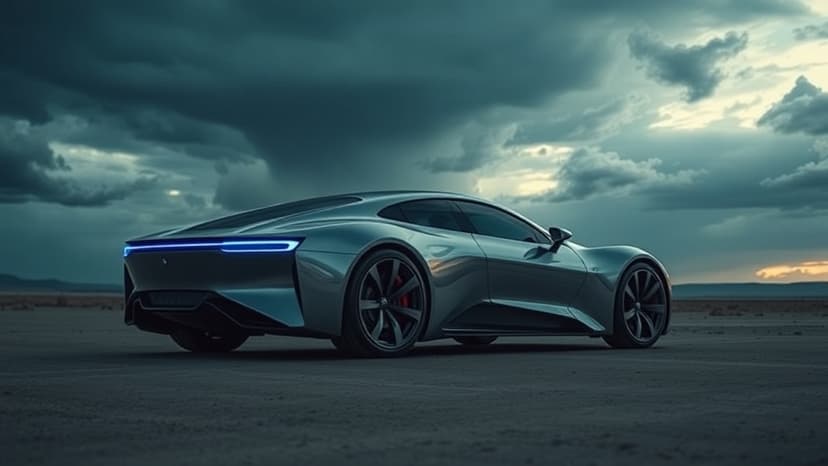
Global sales of hydrogen-powered passenger cars barely exceeded 16,000 units in the most recent year, a stark contrast to the over 12 million electric vehicles sold. Despite this disparity, Toyota maintains hydrogen fuel-cell vehicles in its lineup. Hyundai leads hydrogen car sales with 6,861 units, while Toyota sold 1,168 units, a significant year-on-year decline.
The primary challenges for hydrogen cars are limited infrastructure, with fewer than 1,400 refuelling stations globally versus millions of EV charging points, and higher manufacturing costs leading to pricier vehicles. These factors make hydrogen uncompetitive for mass-market passenger vehicles.
However, hydrogen could still play a role in commercial transport, particularly for trucks operating on fixed routes. Consistent demand from heavy-duty vehicles can better justify the significant capital investment required for refuelling infrastructure. The Japanese government is collaborating with Toyota on large-scale hydrogen truck implementation.
Toyota's financial strength from its hybrid business allows it to experiment with various powertrain technologies, including hybrids, battery EVs, and hydrogen. While hybrids provide current profits and EVs represent a high-growth bet, hydrogen is a longer-term, more uncertain investment with potential in specific applications where batteries are less suitable.
