Home / Technology / Toyota V6 Engine: Reliability Questions Arise
Toyota V6 Engine: Reliability Questions Arise
7 Dec
Summary
- A 2017 Toyota Tacoma's V6 engine failed at 69,000 miles due to piston and cylinder wall damage.
- Known issues include timing cover and coolant leaks, but these were not the cause of failure.
- Toyota may have redesigned piston oil holes around 2018 to address potential seizing.
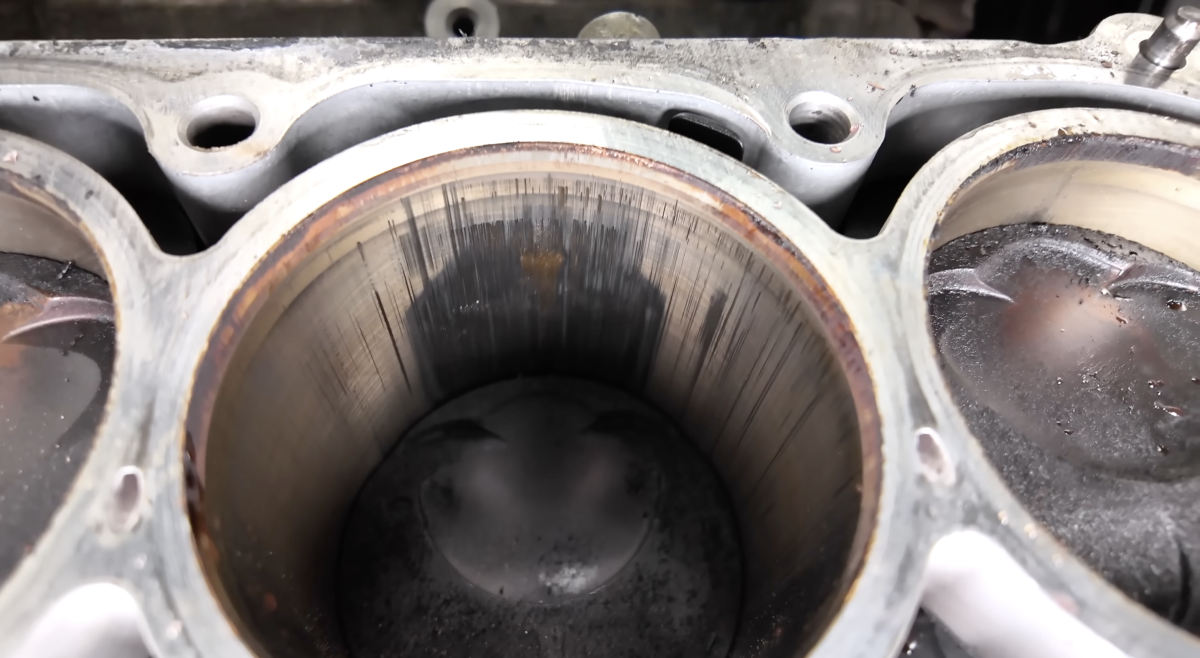
Concerns have surfaced regarding the reliability of Toyota's naturally-aspirated 3.5-liter 2GR-FKS V6 engine, particularly in earlier models. A 2017 Toyota Tacoma experienced catastrophic failure at a mere 69,000 miles, presenting with severe scoring on cylinder walls and pistons. While common leaks from the timing cover and coolant pipes were present, they were not deemed the cause of the engine's demise.
The teardown revealed issues within the lower end of the engine, specifically deep scoring on cylinder walls and damaged pistons. The middle cylinders showed excessive clearance, leading to piston slap and subsequent scoring. Although the crank and rods appeared fine, the pistons themselves exhibited damage and seized oil rings, suggesting a potential design flaw.
Mechanics suggest that a possible design issue with the piston oil control holes, which Toyota reportedly modified around 2018, may be responsible. Owners of Toyota and Lexus vehicles equipped with this engine, manufactured before 2018, are encouraged to inspect their cylinder walls using a borescope to detect any early signs of scoring.