Home / Technology / Tesla Cybercab Rolls Out Amidst Robotaxi Crashes
Tesla Cybercab Rolls Out Amidst Robotaxi Crashes
20 Feb
Summary
- Tesla's first Cybercab is produced, but full production is delayed.
- Robotaxi fleet crashes four times more often than human drivers.
- One crash involved hospitalization, raising safety concerns.
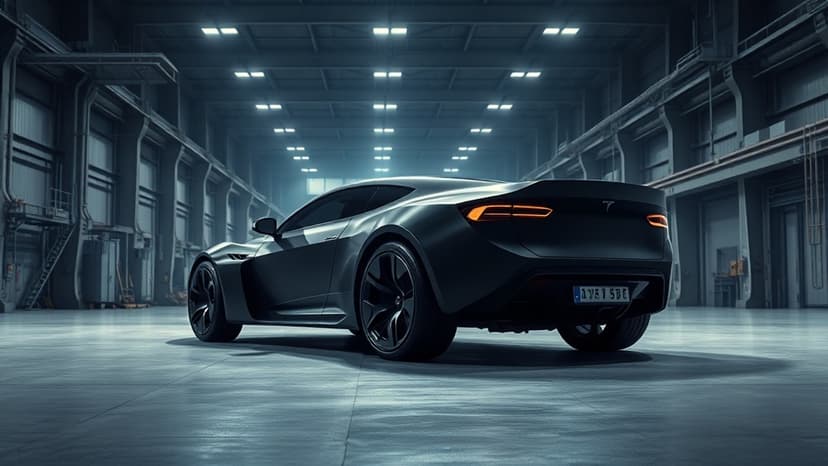
Tesla recently celebrated the rollout of its first Cybercab from its Texas facility. This highly autonomous vehicle, designed for city navigation, relies entirely on software, lacking traditional controls. Full production, however, is not slated to begin until April. The company has also faced intellectual property challenges with the 'Cybercab' name.
More concerning are recent reports detailing significant issues with Tesla's current Robotaxi fleet. Since its launch in June 2025, the fleet has been involved in 14 reported crashes in Austin, Texas. This equates to one incident every 57,000 miles, a rate four times higher than human drivers in North America. One incident from July 2025 was reclassified from property damage to a minor crash involving hospitalization.
Numerous other collisions have been logged, including incidents with fixed objects and other vehicles, often occurring in daylight and good weather. This raises questions about Tesla's camera-reliant autonomous driving system, which notably omits LiDAR. While Tesla redacts crash data, citing business confidentiality, Waymo has submitted more incident reports but covered significantly more autonomous miles in Austin.
Despite these safety concerns and a much higher crash rate compared to human drivers, Tesla is proceeding with its autonomous vehicle ambitions. The Cybercab's delayed launch and the current Robotaxi fleet's accident statistics suggest that passengers may be taking a significant risk by utilizing these services.