Home / Technology / Satellite Internet Wars: The Next Frontier
Satellite Internet Wars: The Next Frontier
20 Dec, 2025
Summary
- Starlink doubled users to 8 million, reaching smartphones in dead zones.
- Amazon's Leo and AST SpaceMobile aim to launch services in 2026.
- Launch supply bottlenecks may delay competitors' services until late 2027.
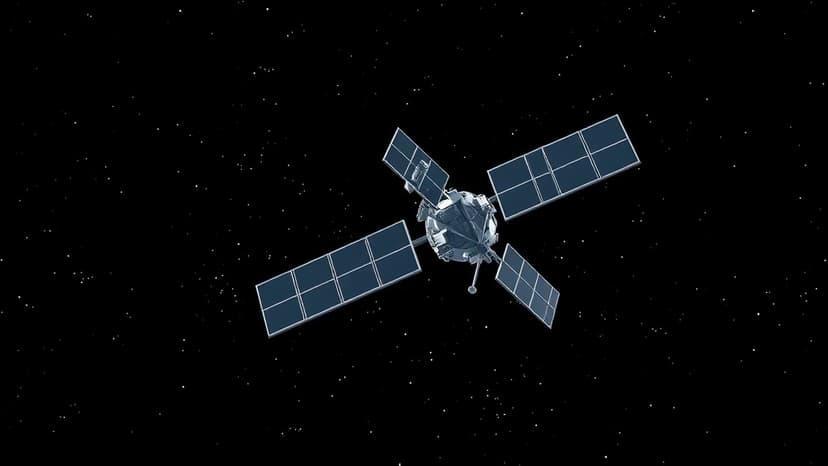
Five years since its inception, Starlink has evolved into a global satellite internet leader, surpassing 8 million users by 2025 and offering smartphone connectivity in cellular dead zones. Traditional satellite providers have seen subscriber losses, with even HughesNet partnering with SpaceX.
Competition is expected to intensify in 2026 with the anticipated launch of Amazon's Leo and AST SpaceMobile's cellular satellite service. Amazon is currently beta-testing Leo for enterprise clients, aiming for a wider rollout next year, while AST plans nationwide intermittent service. However, significant delays have plagued both companies; Amazon's Leo constellation needs over 578 satellites for service, and AST aims for 45-60 by the end of 2026.
The primary obstacle for competitors is the "launch supply bottleneck," as many launch providers are unavailable, with both Amazon and AST contracting SpaceX's Falcon 9. Analysts predict that robust services from these challengers might not materialize until late 2027. Meanwhile, SpaceX continues its aggressive global expansion and is exploring space-based data centers, preparing for an IPO.