feedzop-word-mark-logo
searchLogin
Feedzop
homeFor YouUnited StatesUnited States
You
bookmarksYour BookmarkshashtagYour Topics
Trending
trending

Switzerland ski resort explosion

trending

Lake effect snow warning issued

trending

Lanning wants CFP changes

trending

Flash flood watch: Rose Bowl

trending

Orange Bowl: Oregon vs. Texas

trending

Jay Hill joins Michigan Football

trending

Georgia, Ole Miss Sugar Bowl

trending

New Year's Day Parade London

trending

Capitals vs Senators watch guide

Terms of UsePrivacy PolicyAboutJobsPartner With Us

© 2026 Advergame Technologies Pvt. Ltd. ("ATPL"). Gamezop ® & Quizzop ® are registered trademarks of ATPL.

Gamezop is a plug-and-play gaming platform that any app or website can integrate to bring casual gaming for its users. Gamezop also operates Quizzop, a quizzing platform, that digital products can add as a trivia section.

Over 5,000 products from more than 70 countries have integrated Gamezop and Quizzop. These include Amazon, Samsung Internet, Snap, Tata Play, AccuWeather, Paytm, Gulf News, and Branch.

Games and trivia increase user engagement significantly within all kinds of apps and websites, besides opening a new stream of advertising revenue. Gamezop and Quizzop take 30 minutes to integrate and can be used for free: both by the products integrating them and end users

Increase ad revenue and engagement on your app / website with games, quizzes, astrology, and cricket content. Visit: business.gamezop.com

Property Code: 5571

Home / Technology / Space Data Centers: AI's Next Frontier?

Space Data Centers: AI's Next Frontier?

1 Jan

•

Summary

  • AI leaders explore space data centers to meet escalating energy demands.
  • Google plans test launches for its space data center project in 2027.
  • Skeptics cite physics challenges and astronomically high costs for space data centers.
Space Data Centers: AI's Next Frontier?

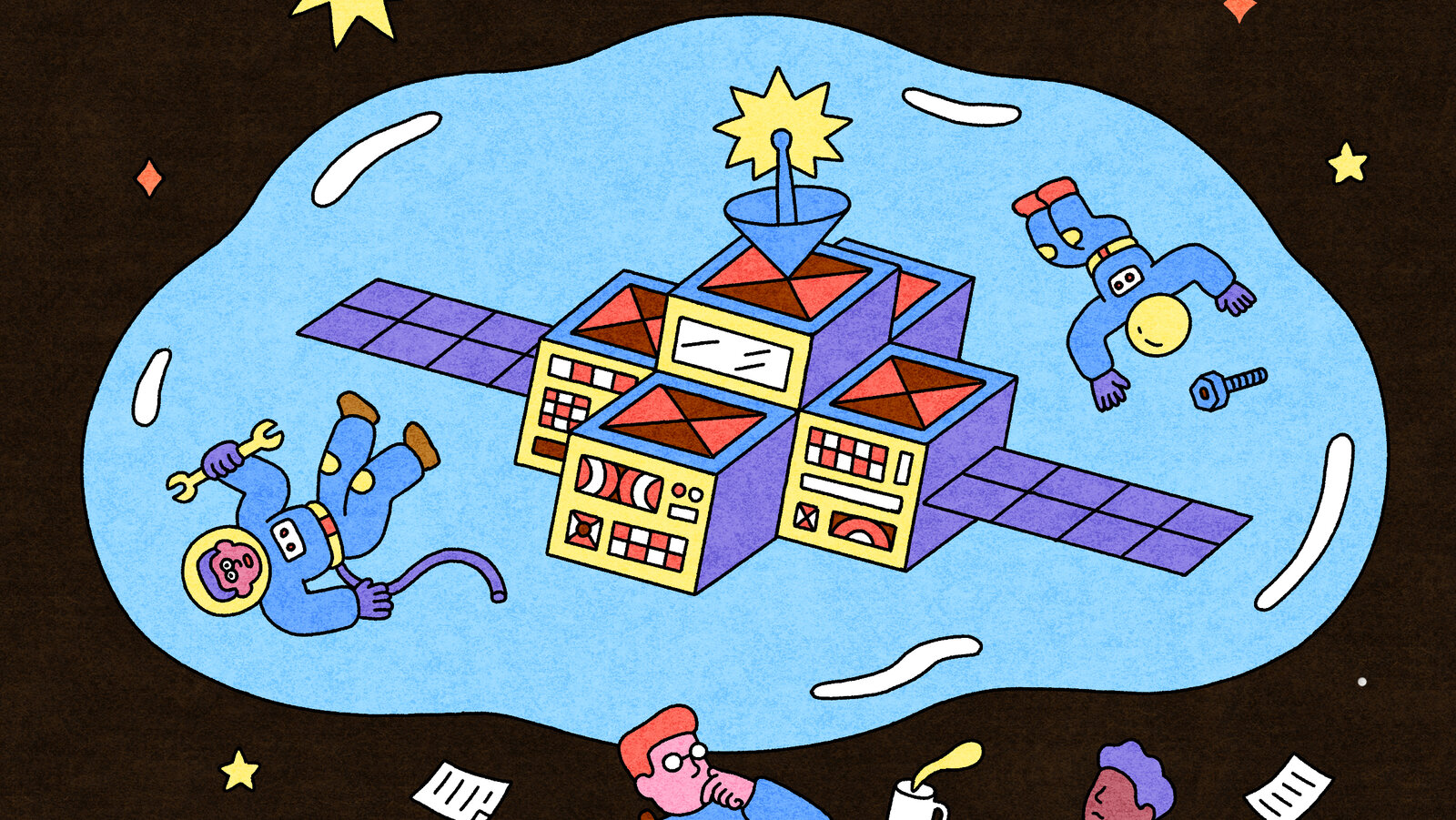
As artificial intelligence advances at an unprecedented pace, industry pioneers are proposing a radical solution to its immense energy needs: constructing data centers in outer space. This concept, once relegated to science fiction, is gaining traction among AI and space leaders who foresee a future where Earth's resources are insufficient to power the next generation of AI. Proponents suggest that abundant solar energy and fewer environmental constraints in orbit make space an ideal location for these massive computing facilities.

Companies like Google have already announced projects, with test launches for its "Project Suncatcher" anticipated in 2027. Elon Musk, founder of SpaceX, has publicly stated that training AI in space could become the most cost-effective method within five years. Tech giants such as Amazon, Microsoft, and Nvidia, alongside figures like OpenAI's CEO Sam Altman, are also backing the idea. This push for space-based infrastructure is fueled by the current "frenzy" in AI development, with billions being invested globally in data centers, despite growing concerns about energy and water resources on Earth.


Despite the optimistic outlook, significant challenges must be overcome before space data centers become a reality. The exorbitant cost of launching materials into orbit remains a major barrier, with current estimates suggesting a drastic reduction in launch costs is necessary for economic viability. Furthermore, technical hurdles, including shielding computer chips from space radiation and managing heat in a vacuum, require innovative solutions. While experts are divided on the timeline for these advancements, the convergence of the AI and space industries signals a compelling financial and technological opportunity.

Disclaimer: This story has been auto-aggregated and auto-summarised by a computer program. This story has not been edited or created by the Feedzop team.
Leaders are concerned that Earth's resources, like energy and land, will soon be insufficient to power the massive data centers required for AI development.
Google plans to begin test launches for its space data center project, Project Suncatcher, in 2027.
Key challenges include the high cost of space launches, protecting hardware from radiation, and effectively cooling components in a vacuum.

Read more news on

Technologyside-arrowNvidiaside-arrowOpenAIside-arrowSpaceXside-arrowGoogleside-arrowAmazon Leoside-arrowArtificial Intelligence (AI)side-arrow

You may also like

AI Stocks Soar on Tech Optimism

20 Dec, 2025 • 96 reads

article image

Amazon Eyes $10B OpenAI Stake Amid AI Spending Spree

17 Dec, 2025 • 151 reads

article image

Nvidia Joins Open AI Model Race

15 Dec, 2025 • 126 reads

article image

NVIDIA Leads $10 Trillion Market Cap Race

15 Dec, 2025 • 135 reads

article image

AI Powers Trillion-Dollar Tech Titans

13 Dec, 2025 • 154 reads

article image