Home / Technology / Solid-State Batteries: Safer, Longer Lasting, But Not Yet Ready
Solid-State Batteries: Safer, Longer Lasting, But Not Yet Ready
27 Jan
Summary
- Solid-state batteries offer increased safety and a longer lifespan than lithium-ion.
- Mass production challenges and high costs prevent current adoption.
- Widespread solid-state battery production is expected by the early 2030s.
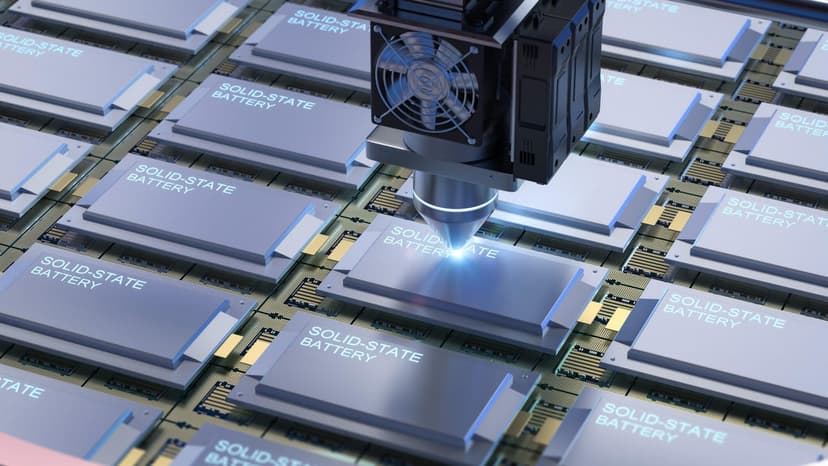
Solid-state batteries represent a leap forward from traditional lithium-ion technology, offering enhanced safety and extended lifespans. These next-generation batteries utilize solid electrolytes instead of flammable liquid ones, leading to improved energy density and faster charging capabilities. Despite these benefits, widespread adoption faces significant obstacles.
The primary challenge is cost, with solid-state batteries currently being four to eight times more expensive than their lithium-ion counterparts. Manufacturing complexities and lower production yields contribute to this higher price point. Furthermore, the established global supply chain for lithium-ion batteries, producing billions annually, is not yet prepared for the demands of solid-state technology.
Industry insiders project that large-scale production of solid-state batteries will commence around the early 2030s. Until then, lithium-ion batteries are expected to remain the dominant power source for portable electronics and electric vehicles, as there is no immediate urgency for manufacturers or consumers to switch.
These newer batteries are also more sensitive to vibrations and exhibit slight swelling during use, posing potential challenges for the durability expected of modern devices. Overcoming these technical and manufacturing issues is key to realizing the full potential of solid-state battery technology.