Home / Technology / States Force Social Media Warnings on Minors
States Force Social Media Warnings on Minors
29 Oct
Summary
- Laws mandate social media platforms warn minors about mental health risks.
- NetChoice litigation challenges these mandates as compelled speech.
- Key question: Are warnings commercial speech or unconstitutional mandates?
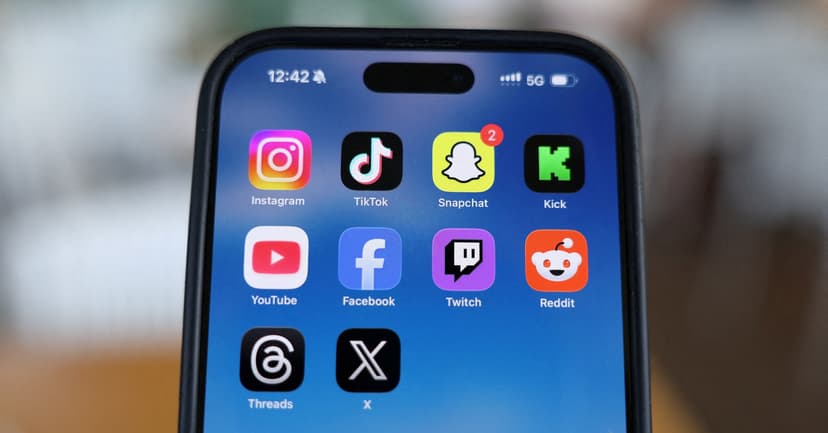
Multiple states are now requiring social media platforms to issue health warnings to minors, similar to those found on consumer products. California's AB 56, set to take effect in January 2027, will compel platforms like Instagram and TikTok to alert young users to potential mental health risks identified by the Surgeon General. These warnings will appear upon initial login and periodically thereafter.
The legal challenge is spearheaded by NetChoice, an industry trade group, which argues these mandates infringe upon free speech rights by compelling companies to voice government concerns. Similar lawsuits are pending in Colorado and Minnesota. The core of the legal debate centers on whether these warnings can be classified as commercial speech, which often faces less stringent First Amendment protections, or if they represent an unconstitutional governmental compulsion.
Supporters of the laws cite studies linking social media overuse to negative mental health outcomes in youth, asserting a vital state interest in protecting children. They draw parallels to past Supreme Court rulings that have upheld requirements for businesses to disclose factual information. However, opponents contend that the science on social media harm is not settled and that these labels misrepresent the nature of online expression.
This escalating First Amendment battle raises broader questions about the government's power to force businesses to communicate specific messages about their products, particularly when those products involve speech. The outcome could set significant precedents for online regulation and corporate speech obligations.


