

Home / Technology / Smart Glasses Secretly Record: Are You Being Watched?
Smart Glasses Secretly Record: Are You Being Watched?
28 Apr
Summary
- Smart glasses with tiny cameras are increasingly used for covert recording.
- Filming in public is legally protected but has ethical gray areas.
- Legal cases testing smart glasses privacy have yet to reach courts.
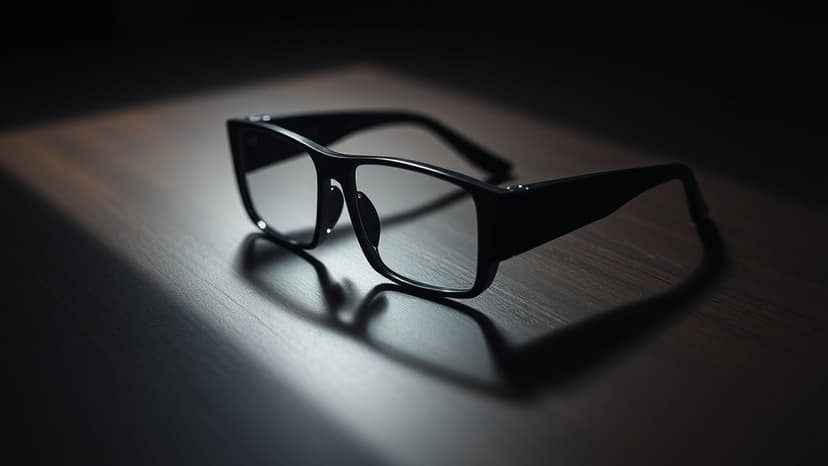
Smart glasses equipped with nearly invisible cameras are becoming a growing concern as individuals increasingly use them for surreptitious recording in public. The technology allows wearers to capture videos of daily life, from restaurant meals to workplace shifts, often without the subjects' consent. One individual recounted being unknowingly recorded by a regular customer wearing smart glasses, leading to a viral TikTok video that caused significant discomfort and impacted their work environment.
While filming in public spaces is broadly protected under laws like the First Amendment in the United States, the legality becomes complex in privately owned but publicly accessible locations. Some states have two-party consent laws, but their enforcement depends on a reasonable expectation of privacy, which is often debated in these scenarios. Despite the prevalence of this technology, legal cases specifically addressing privacy violations through smart glasses have surprisingly not yet been brought to court, though experts predict future litigation is inevitable.
The ethical responsibility for using smart glasses responsibly rests primarily with the wearer. As these devices become less conspicuous and more integrated into daily life, the potential for misuse grows, blurring the lines between public observation and invasion of privacy. Society faces an evolving challenge in adapting to new technologies that impact personal boundaries and consent.
