Home / Technology / Robotaxi Helpers: Behind the Scenes of Self-Driving
Robotaxi Helpers: Behind the Scenes of Self-Driving
21 Feb
Summary
- Companies reveal details of remote assistance programs for self-driving vehicles.
- Humans provide crucial advice to self-driving systems in complex situations.
- Waymo uses overseas contractors for remote assistance roles.
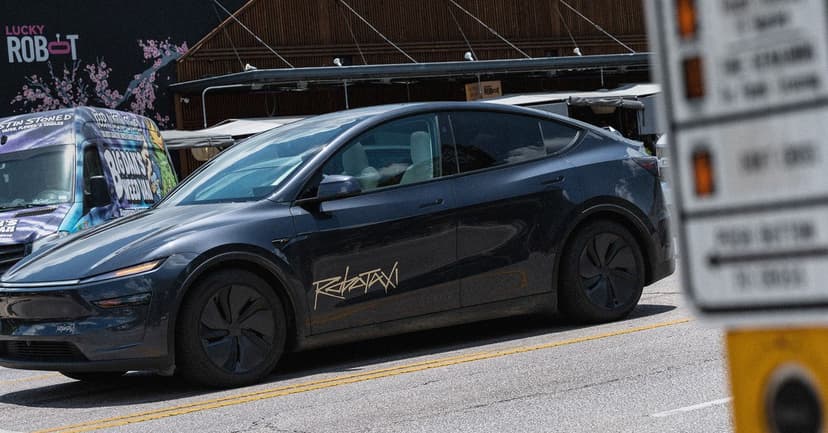
Self-driving vehicle companies are disclosing more information about their critical "remote assistance" programs, addressing concerns about how autonomous systems are managed. These programs are essential for ensuring the safe operation of vehicles when their software faces challenging situations.
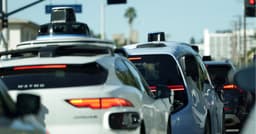
Waymo, a prominent player, has detailed its "remote assistance" (RA) system, which relies on remote workers to support its vehicle software. These agents offer data and advice, which the vehicle's system can accept or reject, clarifying that they do not directly control the cars. Approximately 70 assistants monitor around 3,000 robotaxis at any given time.
The company has confirmed that a significant portion of its remote assistance workforce, specifically half, consists of contractors based overseas in the Philippines. These workers, though licensed to drive in their home country, undergo training on U.S. road rules and are subject to rigorous drug and alcohol testing protocols, including random testing for a substantial percentage of the staff.
Tesla also appears to be providing details on similar programs, though Waymo's revelations are more extensive in this recent disclosure. Industry experts emphasize the importance of these human roles, as they are critical for safety and can differentiate between a vehicle correctly responding to traffic signals or failing to do so. Building software that reliably knows when to seek human intervention remains a significant challenge in autonomous vehicle development.