feedzop-word-mark-logo
searchLogin
Feedzop
homeFor YouUnited StatesUnited States
You
bookmarksYour BookmarkshashtagYour Topics
Trending
trending

OpenAI launches ChatGPT App Store

trending

Stranger Things building fall death

trending

Dodgers eyeing Bo Bichette

trending

Avelo Airlines signs McKinney airport

trending

Chelsea draws Newcastle, 2-2

trending

Heat beat Scorchers in BBL

trending

Malayalam actor Sreenivasan dies

trending

Woltemade scores twice for Newcastle

trending

Josh Jacobs injury update

Terms of UsePrivacy PolicyAboutJobsPartner With Us

© 2025 Advergame Technologies Pvt. Ltd. ("ATPL"). Gamezop ® & Quizzop ® are registered trademarks of ATPL.

Gamezop is a plug-and-play gaming platform that any app or website can integrate to bring casual gaming for its users. Gamezop also operates Quizzop, a quizzing platform, that digital products can add as a trivia section.

Over 5,000 products from more than 70 countries have integrated Gamezop and Quizzop. These include Amazon, Samsung Internet, Snap, Tata Play, AccuWeather, Paytm, Gulf News, and Branch.

Games and trivia increase user engagement significantly within all kinds of apps and websites, besides opening a new stream of advertising revenue. Gamezop and Quizzop take 30 minutes to integrate and can be used for free: both by the products integrating them and end users

Increase ad revenue and engagement on your app / website with games, quizzes, astrology, and cricket content. Visit: business.gamezop.com

Property Code: 5571

Home / Technology / Router vs. Mesh: Which Wi-Fi Reigns Supreme?

Router vs. Mesh: Which Wi-Fi Reigns Supreme?

16 Dec

•

Summary

  • Traditional routers offer affordability and simplicity for basic needs.
  • Mesh systems provide extensive coverage, ideal for larger homes.
  • Choice depends on budget, home size, and connection demands.
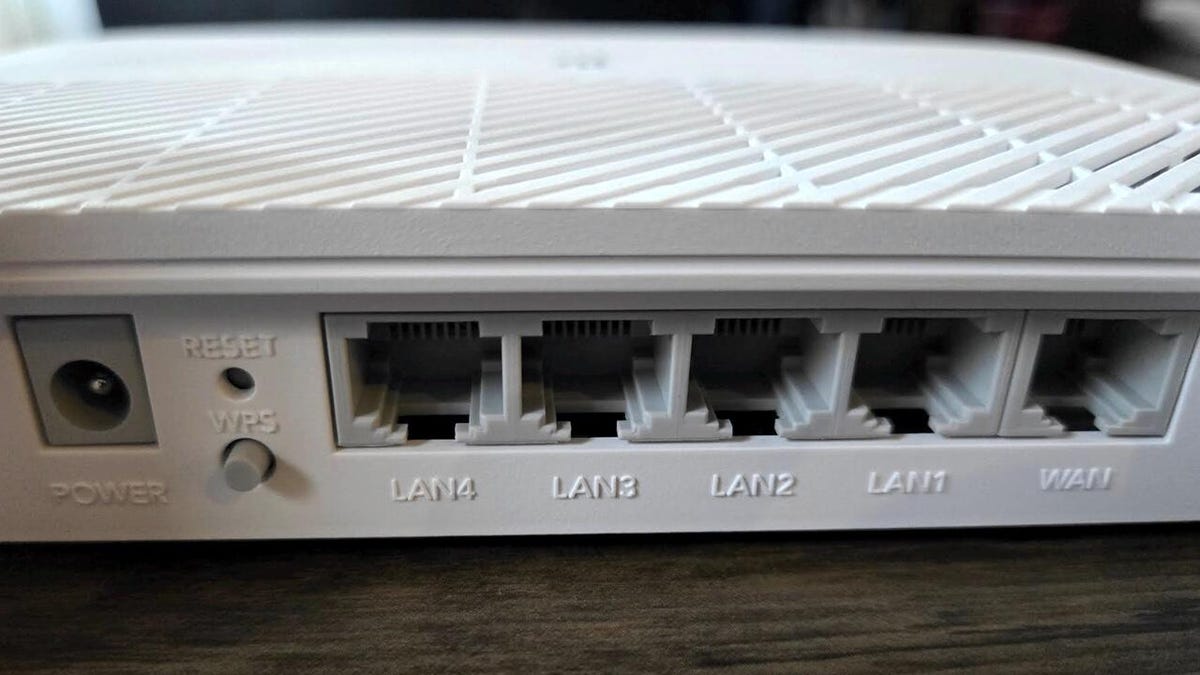
Router vs. Mesh: Which Wi-Fi Reigns Supreme?

For robust home internet, the choice often lies between a traditional router and a mesh Wi-Fi system. Traditional routers serve as central hubs, offering a cost-effective and simple solution for many users. These devices are typically easier to install and manage, making them ideal for smaller spaces or straightforward connectivity needs. Premium models can still offer high speeds and advanced features for demanding tasks.

Mesh networks, in contrast, utilize multiple interconnected nodes to blanket an entire home with Wi-Fi. This decentralized approach is perfect for larger houses or multi-story living, ensuring strong signals in previously weak areas. Mesh systems are designed to seamlessly hand off devices between nodes, minimizing connection drops and eliminating dead zones.

Ultimately, the best option hinges on individual circumstances. Gamers and streamers might prioritize the stability of wired connections with traditional routers, while those in larger homes or with extensive coverage needs will benefit most from a mesh setup. Evaluating budget, property size, and specific internet usage patterns will guide the optimal decision.


Disclaimer: This story has been auto-aggregated and auto-summarised by a computer program. This story has not been edited or created by the Feedzop team.
A traditional router is a single device providing Wi-Fi from one point, while a mesh system uses multiple nodes to create a wider, more consistent coverage area.
A mesh system is best for larger homes, multi-story buildings, or areas with known Wi-Fi dead zones where a single router struggles to provide adequate coverage.
Yes, many modern traditional routers are powerful enough for remote work, especially in smaller homes or apartments where coverage is not an issue.

Read more news on

Technologyside-arrow

You may also like

Goa Partners with Starlink for Rural Internet

13 Dec • 45 reads

article image

SpaceX Taps EchoStar Installer for Starlink

12 Dec • 65 reads

article image

UK Porn Site Visits Plummet After Age Checks Introduced

10 Dec • 57 reads

article image

Netgear Orbi 370: Wi-Fi 7 for Less, But With Trade-offs

8 Dec • 45 reads

article image

DIY OCuLink Module Unleashes Laptop eGPU Power

4 Dec • 8 reads

article image